Cat Pale Gums: Signs, What to Do & When to Seek Emergency Care

Pale gums in cats can be associated with anemia, blood loss, or poor circulation and should be evaluated by a veterinarian.

Seek emergency veterinary care immediately if your cat’s gums are very pale or white, or if pale gums occur with difficulty breathing, severe weakness, collapse, or unresponsiveness.

CASE Animal Hospital provides 24/7 walk-in emergency care for cats with pale gums and other urgent symptoms in Anaheim, CA. Call (657) 999-1150 or visit 1400 N Burton Pl.

CASE also serves pet owners in Anaheim Hills, Fullerton, Placentia, Yorba Linda, Garden Grove, and surrounding Orange County communities.

Cat Pale Gums vs. Normal Gums: What to Look For

To compare pale gums with normal gums, start by checking color and moisture. You can also check capillary refill time for additional information about circulation.

Indicator Normal Cat Gums Pale Cat Gums
Color Vibrant bubblegum or salmon pink. Faint pink, grayish, or porcelain white.
Texture Moist, sleek, and smooth. Tacky (sticky) or completely dry.

Cat Gum Color

Gum color can help you identify changes that may point to a health problem. Compare your cat’s gums with their usual shade rather than relying on one “ideal” color.

Normal gums are usually bubblegum or salmon pink, although the exact shade varies between cats. Note: Some cats naturally have dark or black pigmentation spots on their gums from birth. This is often a normal variation.

Pale gums may look faint pink, washed out, or almost white compared with your cat’s normal color. Pale or white gums can occur with anemia, blood loss, or poor circulation.

Blue-tinged gums can indicate inadequate oxygenation, while gray or ashen gums may occur when circulation is severely compromised.

Gum Texture and Hydration

Gum texture can provide additional clues about hydration. Check whether the gums feel normally moist or unusually sticky or dry.

Healthy gums usually feel smooth, moist, and slightly slippery. This is generally consistent with normal saliva production and hydration.

Tacky gums feel sticky rather than smoothly moist, while dry gums have noticeably less surface moisture. These changes may occur with dehydration, especially when your cat has lost fluids through vomiting or diarrhea or has been drinking less water.

Capillary Refill Time in Cats

Capillary refill time (CRT) is a quick check of how quickly normal color returns to your cat’s gums after gentle pressure.

In cats with normally pink gums, color usually returns within 1 to 2 seconds. A refill time longer than 2 seconds may suggest reduced circulation.

Expose the gum: Gently lift your cat’s upper lip to expose a pink area of gum.

Apply gentle pressure: Press a finger against the gum until the area briefly becomes lighter or white.

Release and count: Remove your finger and count how long it takes for the normal gum color to return.

When Do Pale Gums Require Emergency Care?

Seek emergency veterinary care if your cat shows any of the warning signs below.

(Click each symptom [▼] to view details)

A noticeable change from pink to very pale or white gums can signal a serious medical problem and warrants prompt veterinary attention.

A cat that becomes suddenly very weak, unusually lethargic, or unable to stand may be experiencing a serious decline in their condition, especially when pale gums are also present.

Rapid, labored, or open-mouth breathing suggests that your cat is having difficulty breathing and is an emergency warning sign.

Unusually cold paws or a cold body can indicate that circulation or body temperature is being affected, particularly when accompanied by pale gums or weakness.

Vomiting, hiding, refusing food, or other sudden changes can be more concerning when they occur with pale gums and may point to a more serious underlying illness.

Collapse, loss of consciousness, or failure to respond normally is a medical emergency requiring immediate veterinary care.

Immediate Steps: What to Do If Your Cat Has Pale Gums

Keep them calm and avoid actions that could make their condition worse while preparing for veterinary care.

1. Keep Your Cat Calm

Minimize stress by handling your cat gently, as panic can worsen their condition. Secure them in a travel carrier lined with a soft towel or blanket to provide physical support and comfort during transport.

2. Keep them Warm

Cats with poor circulation or shock may feel cold, especially around the paws and ears. During transport, wrap your cat loosely in a soft towel or blanket to help keep them warm. Avoid heating pads or other direct heat sources, as they can cause burns or overheating.

3. Do Not Force Food, Water, or Medication

Do not force your cat to eat or drink, particularly if they are weak, nauseated, or having trouble breathing.

Do not give human medications, over-the-counter drugs, supplements, or home remedies unless specifically directed by a veterinarian.

4. Seek Veterinary Care

Call CASE Animal Hospital in Anaheim at (657) 999-1150 for immediate emergency vet care.

Call Us Now

657-999-1150

Visit Our Hospital

1400 N Burton Place
Anaheim, CA 92806

Common Causes of Pale Gums in Cats

Pale gums can develop when a cat loses red blood cells, destroys them faster than they can be replaced, produces too few new red blood cells, or has inadequate circulation.

Internal or external bleeding can reduce the number of circulating red blood cells and make the gums appear pale or white. Possible causes include trauma, gastrointestinal bleeding, ruptured masses, surgery, or severe parasite infestations.

Some diseases cause red blood cells to be destroyed faster than the body can replace them. Immune-mediated disease, certain infections, toxins, and other disorders can contribute to this type of anemia.

Pale gums may also develop when the body does not produce enough new red blood cells. Chronic kidney disease, bone marrow disorders, chronic inflammatory disease, and some cancers can interfere with red blood cell production.

Severe blood loss, trauma, infection, or other critical illness can reduce blood flow to the tissues. When circulation is significantly impaired, the gums may appear pale, gray, or ashen.

Because several different conditions can cause pale gums, a veterinary examination and appropriate testing are needed to determine the cause and guide treatment.

What Happens When You Arrive at CASE Animal Hospital

When your cat arrives at CASE Animal Hospital, the emergency team first assesses their condition and begins stabilization if needed.

Supplemental oxygen: May be provided if your cat is struggling to breathe or has inadequate oxygenation.

Intravenous (IV) fluids: May be given when dehydration or poor circulation is present, depending on the underlying cause and your cat’s condition.

Blood transfusion: May be recommended for life-threatening anemia or significant blood loss to help stabilize your cat while the underlying cause is investigated.

Warming support: May be used if your cat is cold or hypothermic.

Based on the initial assessment, your veterinarian may recommend tests to identify the cause of the pale gums.

Blood work: A complete blood count (CBC) can help identify anemia, while additional blood tests may assess organ function and other abnormalities.

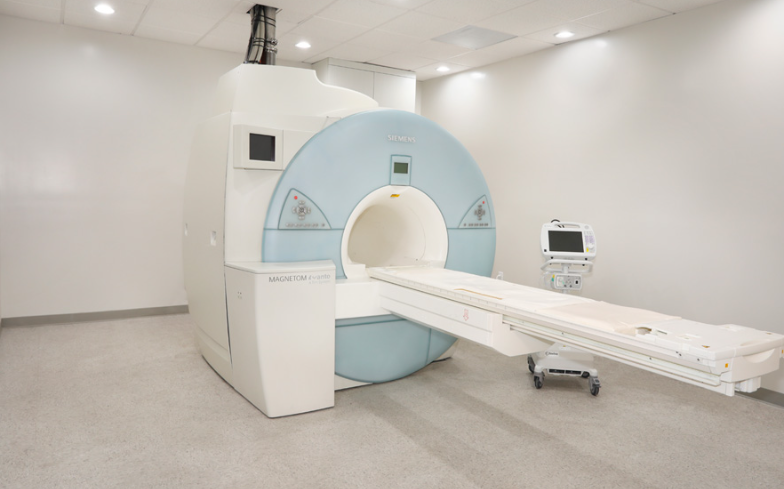
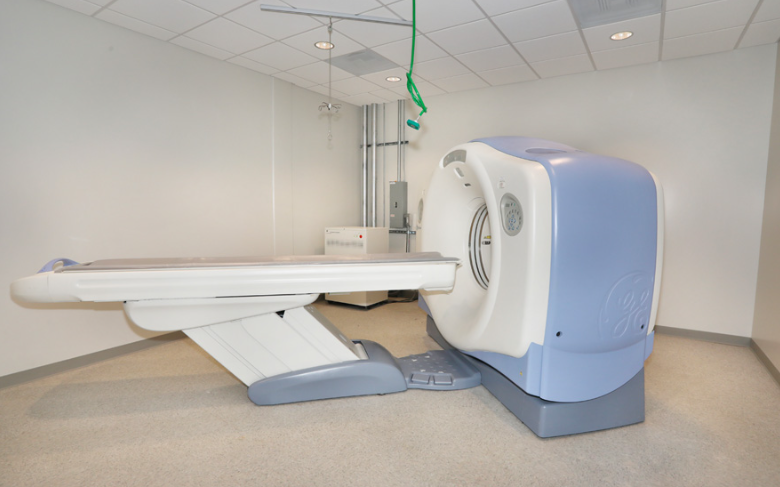
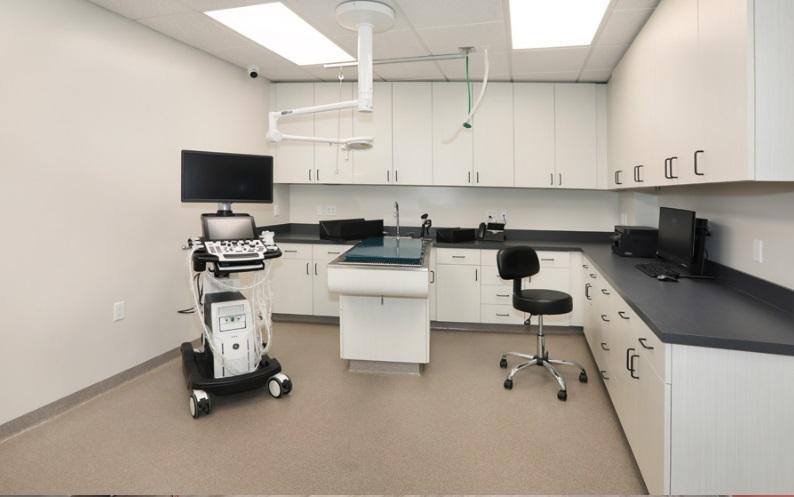
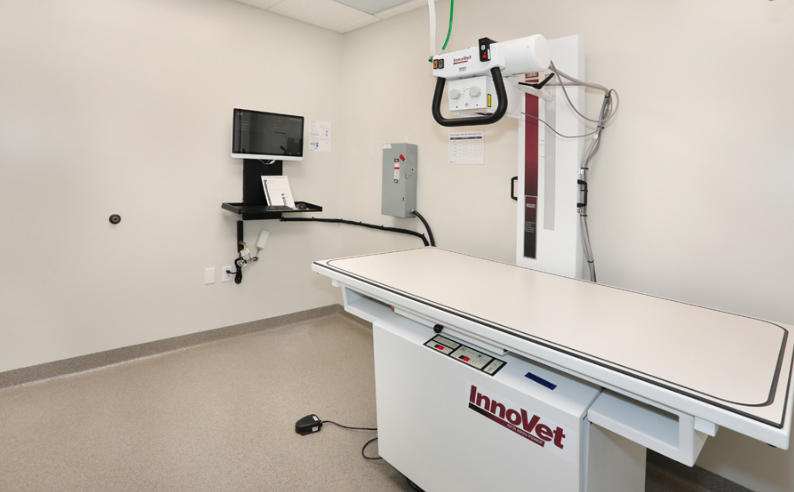
Diagnostic imaging: X-rays or ultrasound may be used to look for internal bleeding, trauma, masses, or other abnormalities.

Urinalysis or fecal testing: May be recommended when kidney or urinary abnormalities, gastrointestinal blood loss, or parasites are suspected.

Treatment depends on the underlying cause identified or suspected during the evaluation.

Medications: Antibiotics, antiparasitic treatment, antidotes, or other medications may be used when appropriate for the underlying condition.

Immunosuppressive therapy: May be used when the immune system is destroying red blood cells.

Surgery: May be needed to control internal bleeding, repair traumatic injuries, or treat a ruptured mass or organ.

Long-term management: May be needed for chronic conditions such as kidney disease, heart disease, cancer, or other ongoing illnesses.

When Might Your Cat Need Specialty Veterinary Care?

After emergency stabilization and initial evaluation, some cats may need specialty veterinary care if the underlying condition is complex, persistent, or requires advanced diagnostics or specialist expertise.

Unclear diagnosis: When initial testing does not explain persistent or serious abnormalities and additional diagnostic evaluation is needed.

Persistent or complex disease: When an underlying condition remains difficult to diagnose or manage despite initial treatment.

Complex surgery: When treatment requires advanced surgical expertise, specialized equipment, or intensive post-operative care.

Why Choose CASE Animal Hospital in Anaheim

CASE Animal Hospital provides 24/7 emergency and critical care alongside specialty veterinary services in Anaheim. Emergency veterinarians and specialists work under one roof, allowing cats with complex conditions to continue evaluation and treatment without unnecessary transfers.

Contact Our Emergency Team

📍 Visit Us: 1400 N Burton Pl, Anaheim, CA 92806

📞 Call Now: (657) 999-1150

🕒 Open 24/7 | ✅ Walk-ins welcome
Meet Our Emergency Staff

Dr. Sam Rafia, DVM - CASE Animal Hospital in Anaheim

Dr. Sam
Rafia

DVM, DVSC, ECFVG
Dr. Ali Haghnazary, DVM - CASE Animal Hospital in Anaheim

Dr. Ali
Haghnazary

DVM
Dr. Esther Yang, DVM - CASE Animal Hospital in Anaheim

Dr. Esther
Yang

DVM
Dr Cristina Winslow, DVM

Dr. Cristina
Winslow

DVM
Dr Cristina Guijon DVM

Dr. Cristina
Guijon

DVM
Dr Kyla Arreola DVM

Dr. Kyla
Arreola

DVM
Emergency Care

Frequently Asked Questions

If you have any additional questions, or wish to speak with someone, please contact our office today.

Even if your cat seems normal, pale gums can still be a sign of anemia or another underlying health problem. A veterinary examination can help determine the cause.

Yes. A heavy flea infestation can cause blood loss and anemia, especially in kittens or cats with severe infestations.

Pale gums with unexplained weight loss may indicate anemia or an underlying chronic illness. A veterinary exam is needed to determine the cause.

Eating litter can sometimes occur in cats with anemia, and pale gums are also a common sign of anemia. If your cat shows both signs, have them evaluated by a veterinarian to determine the underlying cause.

Coughing or shaking together with pale gums can indicate a serious medical problem and warrants emergency veterinary evaluation.

Dogs and Cats Helped

89,626

Immediate Emergency And Specialty Veterinary Care

Walk in 24/7 or Call 657-999-1150 Now

CASE Animal Hospital

1400 N Burton Pl
Anaheim, CA 92806
657-999-1150

Office Hours

Monday through Sunday
Open 24 Hours a Day