
Cat Urinary Blockage: Signs, Symptoms & Emergency Care
A urinary blockage in cats, also called a urethral obstruction, prevents urine from passing through the urethra. It is a life-threatening emergency that requires immediate veterinary care.
If your cat is repeatedly straining but producing little or no urine, do not wait or try to treat the blockage at home.
CASE Animal Hospital provides 24/7 walk-in emergency and critical care in Anaheim. Call (657) 999-1150 and come directly to our hospital at 1400 N Burton Pl, Anaheim, CA 92806.
Signs and Symptoms of Cat Urinary Blockage
Signs of a urinary blockage may become more severe as the obstruction progresses. Watch for the following warning signs.
Common Warning Signs of Urinary Blockage
Straining to urinate can be mistaken for constipation. If you are unsure whether your cat is passing urine, seek veterinary care immediately.
Signs a Blockage May Be Becoming Severe
As the blockage progresses, your cat may develop:
Do not wait for severe symptoms to develop. If you suspect your cat has a urinary blockage, seek emergency veterinary care immediately.
What to Do If You Suspect Your Cat Has a Urinary Blockage
If you suspect a urinary blockage, seek emergency veterinary care immediately.
Do not wait: Seek emergency vet care even if your cat is still passing a few drops of urine.
Do not massage or squeeze the bladder: Trying to relieve the blockage yourself can cause serious injury, including bladder rupture.
Do not treat at home: Avoid medications or home treatments unless instructed by a veterinarian.
Transport your cat safely: Handle them gently and use a secure carrier.
Call CASE Animal Hospital: Call (657) 999-1150 while preparing to leave or on your way.
What Happens When You Arrive at CASE Animal Hospital
Our emergency team will quickly assess and stabilize your cat, perform necessary testing, and work to relieve the urinary blockage. Diagnostic testing and treatment may occur at the same time depending on your cat’s condition.
Why Are Male Cats at Higher Risk for Urinary Blockage?
Male cats are at higher risk of urinary blockage because they have a longer, narrower urethra.
Plugs, stones, or swelling can more easily obstruct the urethra and prevent urine from flowing normally.
Both intact and neutered male cats can develop urinary blockage, while the condition is much less common in females.
What Causes Urinary Blockage in Cats?
Several conditions can obstruct or narrow a cat’s urethra. Common causes and contributing factors include urethral plugs, bladder stones, and inflammation.
Because the cause can vary, veterinary evaluation is needed to identify the underlying problem and determine the appropriate treatment.
Why Choose CASE Animal Hospital
CASE Animal Hospital provides 24/7 emergency and specialty veterinary care under one roof for cats with urinary blockages in Anaheim.
This allows cats with severe complications to receive hospitalization, close monitoring, and critical care when needed.
For recurrent or complicated urinary obstruction cases, specialists in Internal Medicine and Surgery are available for further evaluation and treatment.
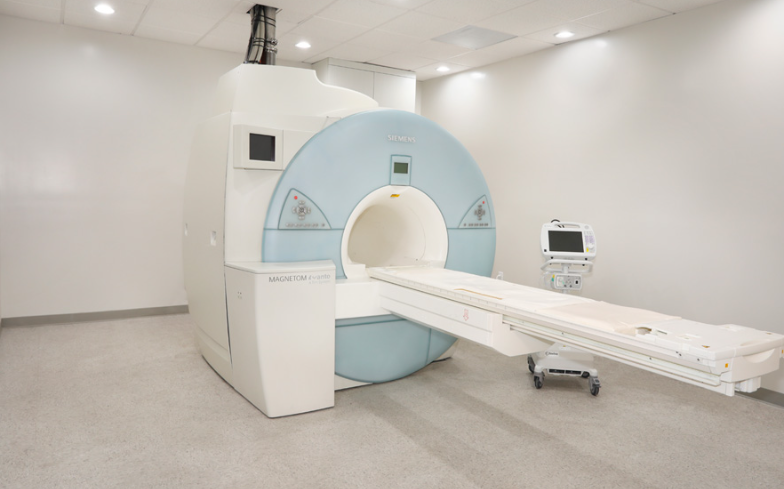
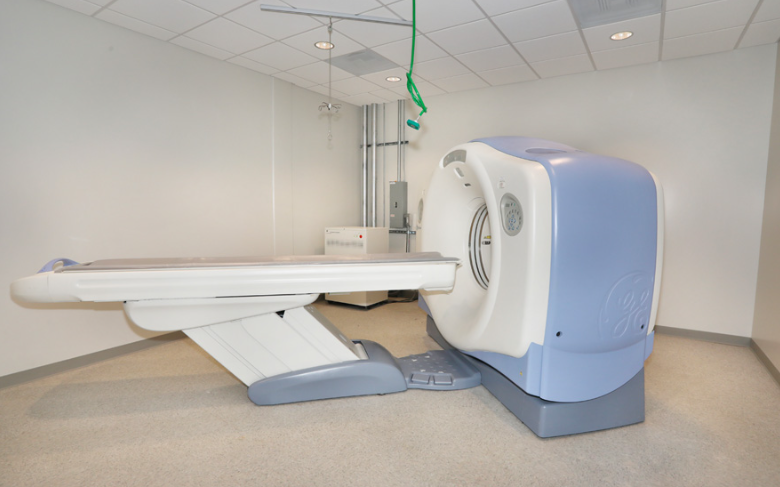
Advanced Imaging is also available when clinically indicated to further assess the urinary tract and identify abnormalities that may contribute to the obstruction.
Contact Our Emergency Team
📍 Visit Us: 1400 N Burton Pl, Anaheim, CA 92806
📞 Call Now: (657) 999-1150
🕒 Open 24/7
✅ Walk-in emergencies welcome

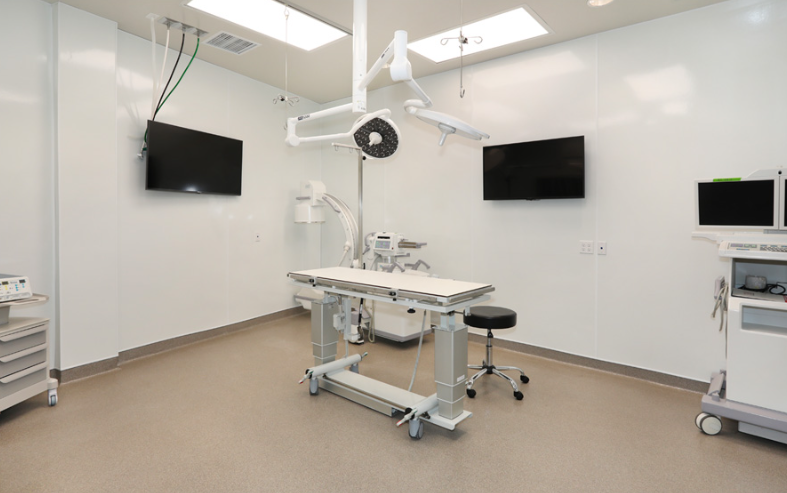






Emergency Care
Frequently Asked Questions
If you have any additional questions, or wish to speak with someone, please contact our office today.
Dogs and Cats Helped
89,626
Immediate Emergency And Specialty Veterinary Care
Walk in 24/7 or Call 657-999-1150 Now
CASE Animal Hospital
1400 N Burton Pl
Anaheim, CA 92806
657-999-1150
Office Hours
Monday through Sunday
Open 24 Hours a Day