7 Summer Safety Tips Every Orange County Dog Owner Needs to Know
Southern California summers are beautiful, but for our dogs, those long, hot days come with real risks. From Anaheim to Huntington Beach, Irvine to Fullerton, Orange County’s rising temperatures can turn an ordinary afternoon into a dangerous situation for your pet. At CASE Animal Hospital, we see heat-related emergencies every season. Here’s what every local dog owner should know before summer heats up.
1. Never Leave Your Dog in a Parked Car — Even for a Minute
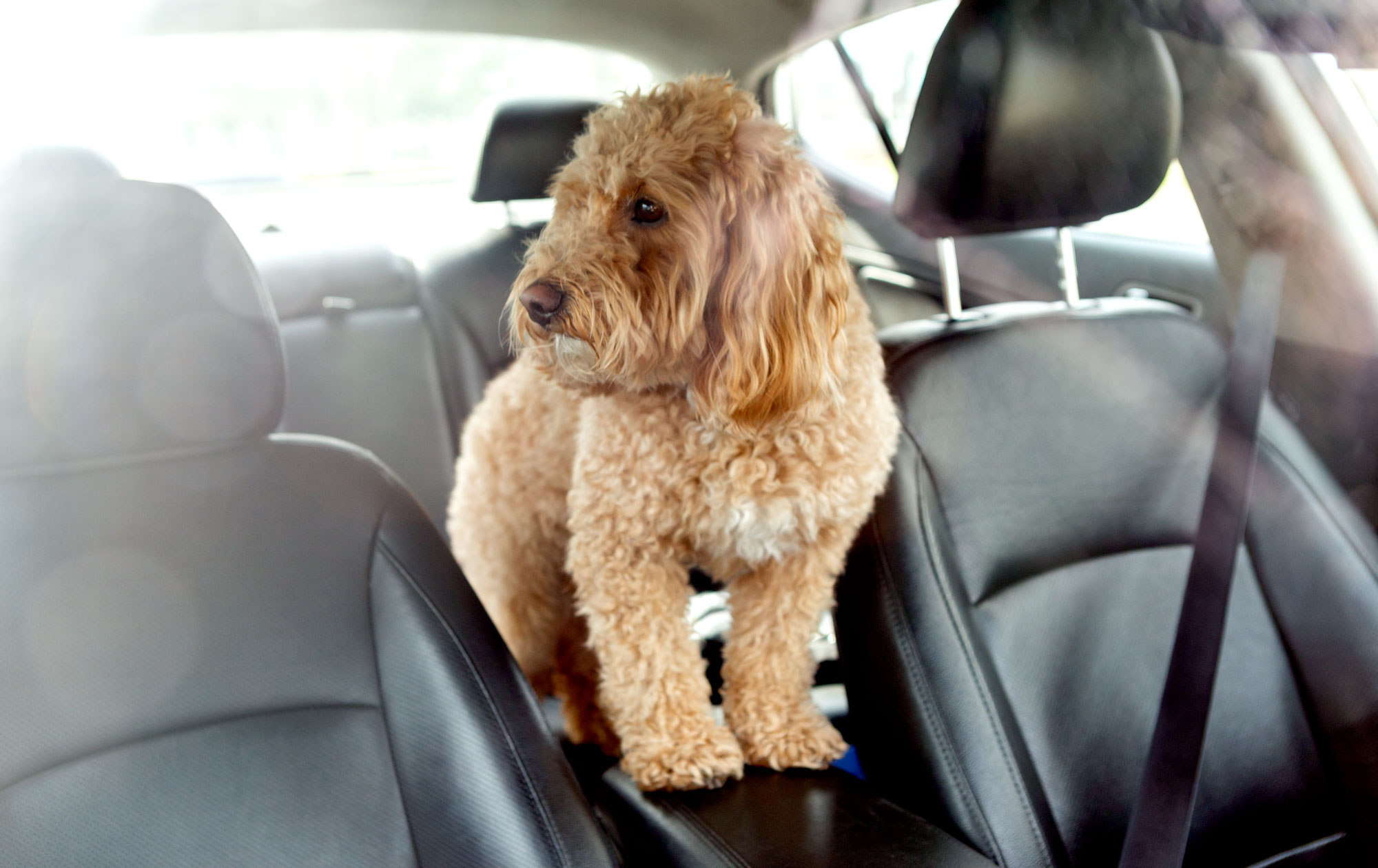
This one cannot be stressed enough. On a 85°F Orange County day, the inside of a parked car can reach 110°F in under 10 minutes, even with the windows cracked. Dogs cannot regulate their body temperature the way humans do. What feels like a quick errand to you can become a life-threatening situation for your dog.
California law (Penal Code 597.7) actually allows bystanders to break a car window to rescue a distressed animal, which tells you how seriously the state takes this issue. The rule is simple: if you can’t bring your dog inside with you, leave them home.
2. Walk Early or Walk Late — Avoid the Midday Heat
Pavement temperatures in Orange County can exceed 150°F on a hot summer afternoon. That’s hot enough to cause painful burns on your dog’s paw pads within 60 seconds of contact. A quick test: place your hand on the sidewalk for 5 seconds. If it’s too hot for your hand, it’s too hot for your dog’s paws.
Schedule your walks before 9 AM or after 6 PM when temperatures are cooler and pavement has had time to cool down. Grassy paths and shaded trails, like those found at Yorba Regional Park or Peters Canyon, are great alternatives to sun-baked sidewalks.
3. Know the Warning Signs of Heatstroke
Dogs can go from uncomfortable to critical very quickly in the heat. Watch for these warning signs:
- Excessive panting or drooling
- Bright red or pale gums
- Glazed eyes or disorientation
- Vomiting or diarrhea
- Collapse or inability to stand
If you notice any of these symptoms, move your dog to a cool, shaded area immediately, offer cool (not cold) water, and call CASE Animal Hospital or your nearest emergency vet right away. Do not wait to see if they improve on their own, heatstroke can cause organ failure within minutes.
4. Keep Fresh Water Available at All Times
Hydration is one of the simplest and most important things you can do for your dog during summer. Dogs lose water rapidly through panting, especially in the Southern California heat.
At home, refresh your dog’s water bowl multiple times a day and consider a second bowl in a cool shaded spot outdoors. On walks, bring a collapsible travel bowl and a bottle of water. Many OC dog parks and trails have water stations, but never count on them being stocked.
5. Create a Cool, Safe Space at Home
Even indoors, dogs can overheat, especially if your home gets warm during the day. Keep your dog comfortable by:
- Keeping air conditioning or fans running in rooms your dog frequents
- Closing blinds or curtains to block direct sunlight
- Providing a cooling mat or damp towel for your dog to lie on
- Making frozen dog-safe treats (like frozen peanut butter or watermelon cubes) for a refreshing snack
Breeds with thick coats, flat faces (like bulldogs and pugs), or older dogs are especially vulnerable to indoor heat. If your AC goes out on a hot day, consider taking your dog to a friend’s home or a pet-friendly, air-conditioned space.
6. Be Careful at the Beach and Pool
Dogs and summer water adventures go hand in hand here in Orange County, but water comes with its own risks. Not all dogs are natural swimmers, and even strong swimmers can tire quickly or become disoriented in waves.
Always supervise your dog around water. Use a canine life vest in open water or on a boat. After any ocean swim, rinse your dog thoroughly to remove salt and bacteria that can irritate their skin and coat. Watch for signs of water intoxication, bloating, wobbling, or unusual lethargy, which can occur when dogs ingest too much water while playing.
7. Schedule a Summer Wellness Check
Prevention is always better than an emergency. Before the hottest weeks hit, schedule a wellness visit with your veterinarian. This is a great time to check that your dog is up to date on flea, tick, and heartworm prevention (all more prevalent in summer), assess your dog’s weight and fitness for warm-weather activity, and discuss any breed-specific heat concerns.
At CASE Animal Hospital in Anaheim, our team is here year-round to support the health and safety of your pet. Whether it’s a routine summer checkup or an urgent concern, we’re proud to serve families across Orange County, because when every minute matters, we never leave their side.