Leptospirosis in Dogs: Why California Pet Owners Should Pay Attention Again
Leptospirosis in dogs is getting renewed attention, and for good reason. This bacterial disease can cause serious illness, spread through contaminated water or soil, and in some cases affect both pets and people. For dog owners in California, especially those with active dogs who spend time outdoors, this is an important topic to understand. Veterinary and public health sources continue to warn that leptospirosis remains a real risk, and updated guidance now reflects a broader understanding that many dogs may be more exposed than owners once realized.
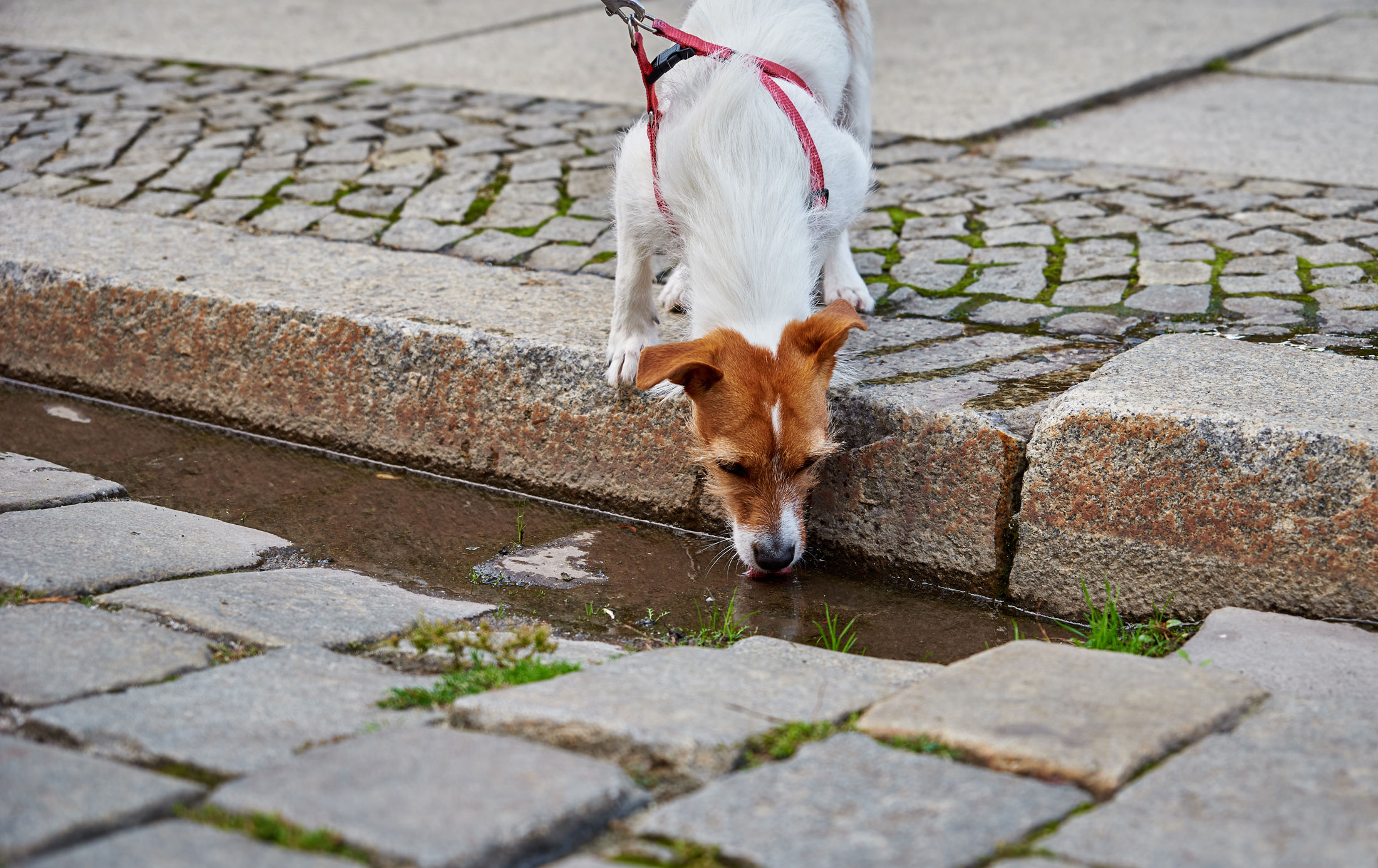
Leptospirosis is caused by bacteria called Leptospira. It is typically spread through the urine of infected animals, which can contaminate puddles, standing water, soil, mud, and other outdoor environments. Dogs can become infected when they drink contaminated water, walk through wet areas and then groom themselves, or come into contact with contaminated surfaces through their nose, eyes, or skin. Wildlife such as rodents and other animals can help spread the bacteria, which is one reason leptospirosis is not limited to rural dogs or farm settings.
One of the biggest misconceptions about leptospirosis is that only certain dogs are at risk. In the past, some owners assumed this was mainly a disease for hunting dogs, country dogs, or pets around livestock. That is no longer the best way to think about it. Updated veterinary guidance has emphasized that all dogs may be at risk, depending on their environment and exposure opportunities. Dogs living in suburban and urban areas can still encounter contaminated water, shared outdoor spaces, wildlife urine, or rodents. In a state like California, where dogs regularly visit parks, beaches, trails, and neighborhood walking routes, that matters.
Why should California pet owners pay attention again now?
Because leptospirosis continues to show up in real-world cases, and periods of rain, flooding, puddling, and damp conditions can increase exposure risk. The CDC notes that leptospirosis risk often rises when water or soil becomes contaminated with infected urine, especially after wet environmental conditions. Even outside of dramatic weather events, any environment with standing water, muddy areas, and wildlife activity can create a possible risk for dogs. That makes this a relevant concern for dog owners across Southern California, including Anaheim and Orange County.
The symptoms of leptospirosis in dogs are not always obvious at first. Early signs may include fever, lethargy, depression, reduced appetite, vomiting, dehydration, muscle tenderness, joint pain, or changes in urination. Some dogs may seem weak, stiff, or simply not like themselves. In more serious cases, leptospirosis can damage the kidneys or liver and lead to jaundice, increased thirst, bloody urine or stool, difficulty breathing, or rapid decline. Because many of these symptoms can overlap with other illnesses, it is important not to wait and hope it passes if your dog is acting sick.
Another reason this disease gets attention from veterinarians is that leptospirosis is zoonotic, which means it can spread from animals to people. Humans are not usually infected through casual petting, but exposure can happen through contact with infected urine or contaminated environments. That makes early diagnosis, proper handling, and veterinary care especially important. If a dog is suspected of having leptospirosis, your veterinary team may recommend testing, supportive treatment, and specific precautions at home to reduce the chance of transmission.
The good news is that prevention is possible. Vaccination plays a major role in reducing risk, and veterinary guidance has become more supportive of broader leptospirosis vaccination for dogs. The AVMA notes that current expert recommendations now advise annual leptospirosis vaccination for all dogs, rather than limiting it to narrowly defined “high-risk” groups. The AVMA also states that leptospirosis vaccines are no more likely to cause side effects than other common vaccines, which helps address a concern some dog owners still carry from outdated information.
Beyond vaccination, there are practical ways to lower your dog’s risk. Avoid letting your dog drink from puddles, standing water, or unknown outdoor water sources. Try to limit access to muddy or contaminated areas after rain. Keep food stored securely to discourage rodents, and reduce wildlife attractants around your home and yard. If your dog spends a lot of time outdoors, visits dog parks, hikes, or explores areas where wildlife may be present, it is worth having a conversation with your veterinarian about prevention strategies tailored to your pet’s lifestyle.
For dog owners in Anaheim, the bottom line is simple: leptospirosis is not an old or rare issue that can be ignored. It is a serious disease that deserves attention because it can progress quickly, affect vital organs, and create risk beyond the individual pet. At CASE Animal Hospital, we believe prevention and early intervention are always better than waiting for a problem to become an emergency. If your dog has been exposed to standing water, is showing unusual symptoms, or you want to discuss the leptospirosis vaccine, our team is here to help you make informed decisions and protect your dog’s health.