Raw Pet Food and Bird Flu Risk in Cats: What California Pet Owners Need to Know
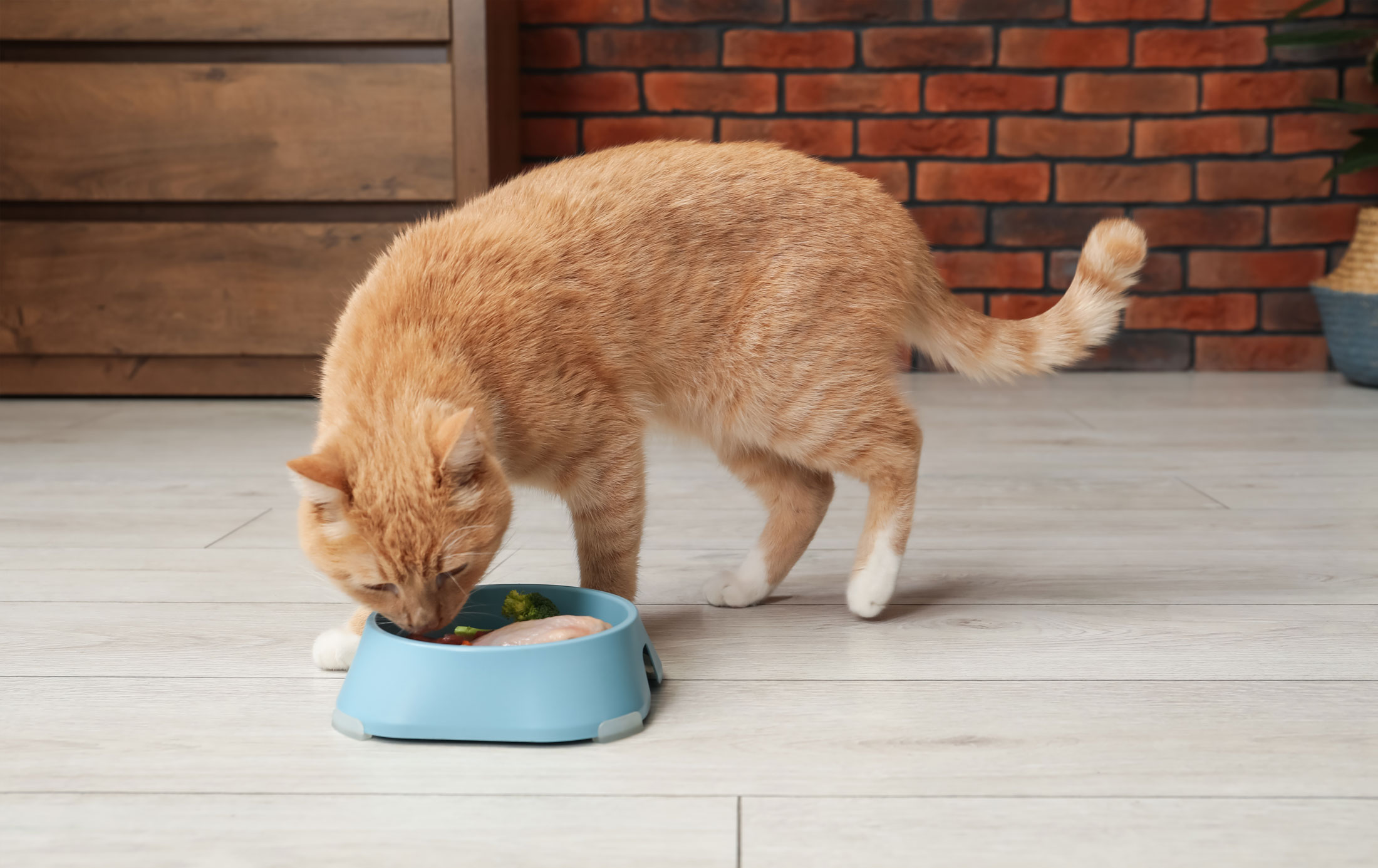
If you are a cat owner in California, you may have seen growing concern around raw pet food and bird flu. This is not just internet chatter. In recent public health and veterinary alerts, cats have become seriously ill and, in some cases, died after exposure to H5N1 avian influenza, also known as bird flu, through contaminated raw milk, raw meat, and certain raw pet food products. California agencies and veterinary groups are now actively warning pet owners about this risk.
For many pet owners, raw diets appeal because they sound more natural or less processed. But right now, the conversation has changed. The current concern is not simply about nutrition preferences. It is about safety. The FDA has warned that uncooked or unpasteurized ingredients from poultry or cattle can present a risk for H5N1 contamination, and manufacturers using those ingredients have been required to reassess their food safety plans with this virus in mind. That is a major development and a sign that this issue is being taken very seriously at the federal level.
Cats appear to be especially vulnerable. According to the AVMA and California public health guidance, cats can become infected through ingestion of contaminated raw pet food, raw meat, or unpasteurized milk. In California, multiple cats across several counties have reportedly died from H5 infection, and Los Angeles County Public Health has linked some feline cases to commercially available raw pet food and recalled raw milk products. These cases have pushed veterinarians and public health officials to strongly discourage feeding cats raw animal products during this ongoing outbreak.
Bird flu in cats: What to look for?
So what does bird flu in cats look like? Symptoms can vary, but many infected cats have shown serious signs such as lethargy, fever, poor appetite, trouble breathing, nasal or eye discharge, lack of coordination, tremors, seizures, or sudden blindness. In some reported cases, the disease progressed rapidly. Because the symptoms can overlap with other serious illnesses, it is important not to guess. If your cat seems suddenly very sick, especially after eating raw food or being exposed to wild birds or raw dairy, prompt veterinary attention matters.
This topic is especially relevant for pet owners in Southern California. State and local agencies have repeatedly advised Californians not to feed pets raw foods or unpasteurized milk while H5N1 remains a concern in animals. The California Department of Public Health also recommends keeping cats indoors when possible, preventing them from hunting birds, and keeping them away from livestock, poultry, and dead wildlife. Even indoor cats can be at risk if contaminated raw food is brought into the home.
If you currently feed your cat a raw diet, this does not mean you need to panic. It does mean it is a good time to reassess. Check your cat food carefully, stay alert for recalls, and speak with your veterinarian about safer alternatives. Commercial cooked diets that are complete and balanced are the simplest option for most households. If you prefer a fresh-food approach, ask your veterinarian about cooked diets formulated to meet your cat’s nutritional needs. The goal is not fear. The goal is reducing avoidable risk while still supporting your cat’s health.
It is also worth remembering that bird flu is not the only concern associated with raw diets. Raw pet food can carry bacteria and other pathogens that may affect both pets and people in the household. What makes the current H5N1 situation different is the severity of illness being seen in cats and the fact that foodborne transmission is now a clearly recognized route of exposure. This is one reason veterinary organizations are urging pet owners to use extra caution right now rather than treating raw feeding as a harmless trend.
What are the next steps?
For cat owners in Anaheim and surrounding Orange County communities, the best next step is simple: avoid feeding raw pet food, avoid unpasteurized dairy products, monitor your cat closely for unusual symptoms, and call your veterinarian right away if something feels off. At CASE Animal Hospital, we believe good preventive care starts with clear, practical information. Trends come and go, but your cat’s safety comes first. If you have questions about your pet’s diet, possible bird flu exposure, or sudden signs of illness, our team is here to help you make informed decisions with confidence.