
Thanksgiving Pet Emergencies: When to Take Your Dog or Cat to an Emergency Vet in Orange County
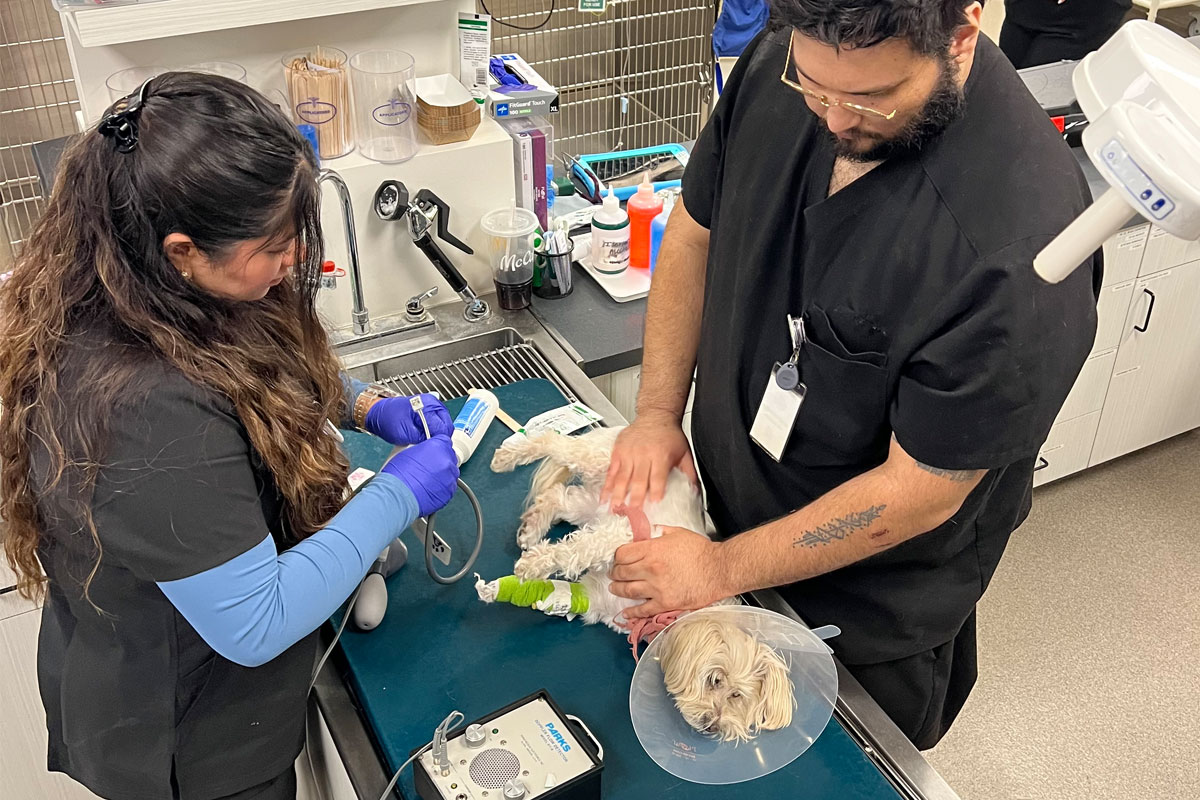
Thanksgiving is a time for family gatherings, delicious food, and celebrating with the people and pets we love. But for dogs and cats, the holiday season can also introduce unexpected dangers that turn an otherwise happy celebration into a medical emergency.
From accidentally swallowing turkey bones to eating rich holiday foods, many common Thanksgiving traditions can pose serious health risks to pets. Unfortunately, some of these situations can quickly escalate into life-threatening conditions requiring immediate veterinary attention.
At CASE Animal Hospital in Anaheim, California, our emergency veterinary team is available 24 hours a day, seven days a week, including Thanksgiving and other holidays. We provide emergency, critical, and specialty veterinary care for dogs and cats throughout Orange County, helping families get the medical attention their pets need when every minute matters.
Dangerous Thanksgiving Foods That Can Send Pets to the Emergency Vet
Although sharing Thanksgiving dinner with your dog or cat may seem harmless, many popular holiday dishes contain ingredients that can cause serious health problems.
Some of the most concerning foods include:
Turkey bones: Cooked bones can splinter or become lodged in the throat, stomach, or intestines, potentially causing choking, internal injuries, or intestinal blockages.
Turkey skin and fatty foods: Rich foods, including gravy, butter, and meat drippings, can cause severe digestive upset and may trigger pancreatitis.
Onions and garlic: Common ingredients in stuffing, gravy, and side dishes that are toxic to both dogs and cats.
Grapes and raisins: Even small amounts can cause serious kidney injury in dogs.
Chocolate and desserts: Chocolate contains compounds that can cause vomiting, abnormal heart rhythms, tremors, and seizures.
Sugar-free treats: Foods containing xylitol, sometimes labeled birch sugar, can cause dangerously low blood sugar and liver damage in dogs.
Raw bread dough: Yeast dough can expand inside a pet’s stomach and produce alcohol, leading to dangerous complications.
If your pet eats something potentially toxic, don’t wait for symptoms to appear. Contact an emergency veterinarian immediately for guidance.
Pancreatitis in Dogs: A Serious Thanksgiving Health Risk
One of the more concerning complications associated with eating rich holiday meals is pancreatitis, an inflammation of the pancreas that can cause significant pain and serious illness.
Dogs may develop pancreatitis after consuming fatty foods such as turkey skin, gravy, sausage, butter, or holiday leftovers. Cats can also develop pancreatitis, although the causes are often less clear.
Common signs of pancreatitis in dogs include:
- Repeated vomiting or diarrhea
- Loss of appetite
- Abdominal pain or tenderness
- Unusual lethargy or weakness
- Hunched posture or reluctance to move
- Dehydration
In cats, symptoms may be subtler, including reduced appetite, hiding, weakness, or unusual inactivity.
Severe pancreatitis may require hospitalization, intravenous fluids, pain management, and continuous medical monitoring.
At CASE Animal Hospital, our emergency and internal medicine teams have access to advanced diagnostic capabilities to evaluate complex digestive conditions and determine the appropriate treatment.
What Happens If Your Dog Swallows a Turkey Bone?
Turkey bones are particularly dangerous because cooked poultry bones can splinter into sharp fragments or cause digestive tract obstructions.
A dog or cat that swallows a bone may initially appear completely normal, but complications can develop afterward.
Warning signs include difficulty swallowing, repeated gagging, vomiting, abdominal discomfort, loss of appetite, and unusual weakness.
If your pet swallows a turkey bone, contact an emergency veterinarian immediately, even if no symptoms are present.
Do not attempt to induce vomiting or give your pet food to push the bone through its digestive system unless specifically instructed by a veterinarian.
At CASE Animal Hospital in Anaheim, our veterinary team can use diagnostic imaging, including X-rays and advanced imaging when appropriate, to investigate suspected foreign objects or internal injuries. In serious situations, surgical intervention may be necessary.
When Is Vomiting or Diarrhea a Pet Emergency?
An isolated episode of vomiting doesn’t always indicate a life-threatening condition. However, vomiting following Thanksgiving dinner deserves particular attention, especially when your pet may have eaten unfamiliar foods, bones, or toxic ingredients.
Seek immediate veterinary care if your dog or cat experiences:
- Repeated or persistent vomiting
- Bloody vomit or diarrhea
- A swollen or painful abdomen
- Repeated unsuccessful attempts to vomit
- Severe weakness, collapse, or difficulty standing
- Difficulty breathing
- Suspected poisoning or foreign-object ingestion
These symptoms may indicate conditions ranging from gastrointestinal obstruction and pancreatitis to poisoning or other serious medical problems.
Dogs experiencing repeated unproductive retching with abdominal swelling may have gastric dilatation-volvulus (GDV), a life-threatening emergency requiring immediate treatment.
When symptoms are severe or worsening, waiting until the following morning can put your pet at greater risk.
Holiday Stress Can Also Affect Dogs and Cats With Existing Medical Conditions
Thanksgiving gatherings often involve unfamiliar visitors, loud conversations, disrupted routines, and changes in feeding schedules.
Although these situations may seem minor, they can be especially challenging for pets already managing serious medical conditions.
Dogs and cats with heart disease, neurological conditions, diabetes, kidney disease, or cancer may require additional attention during the holidays.
For example, a pet with existing heart disease that begins experiencing rapid or labored breathing needs immediate veterinary evaluation. Likewise, a pet undergoing cancer treatment that develops persistent vomiting, profound weakness, or sudden changes in behavior may need urgent medical attention.
CASE Animal Hospital offers specialized veterinary services in cardiology, oncology, neurology, internal medicine, surgery, and ophthalmology, providing advanced care for pets with complex medical needs.
Our emergency and specialty departments work together to help patients receive appropriate care based on their individual conditions.
How to Prevent Thanksgiving Pet Emergencies
A few precautions can significantly reduce your dog or cat’s risk of experiencing a holiday-related medical emergency.
Keep turkey bones, fatty leftovers, desserts, and potentially toxic ingredients out of reach. Secure kitchen trash cans, especially those containing turkey carcasses, food packaging, and discarded bones.
Ask visitors not to feed your pets table scraps, and maintain their regular feeding schedule whenever possible.
If your dog or cat becomes overwhelmed by visitors, provide a quiet, comfortable room where they can relax away from the festivities.
Most importantly, know where your nearest 24-hour emergency animal hospital is located before an emergency occurs.
Emergency Veterinary Care in Anaheim and Throughout Orange County
Pet emergencies don’t follow a schedule, and many happen during evenings, weekends, and holidays when regular veterinary offices may be closed.
CASE Animal Hospital provides 24/7 emergency and critical care for dogs and cats at our Anaheim location.
Our hospital serves pet owners throughout Orange County, including Anaheim, Fullerton, Orange, Yorba Linda, Placentia, Garden Grove, Anaheim Hills, and surrounding communities.
Our emergency and specialty services include:
- 24/7 emergency veterinary care and stabilization
- Critical care and intensive monitoring
- Advanced diagnostic imaging, including MRI and CT
- Emergency and specialty veterinary surgery
- Internal medicine and complex disease evaluation
- Veterinary cardiology, oncology, and neurology
Whether your dog has swallowed a dangerous object, your cat is showing signs of severe illness, or your pet suddenly develops symptoms that concern you, our veterinary team is here to help.
Need an Emergency Vet in Orange County This Thanksgiving?
If your dog or cat is experiencing a medical emergency, don’t wait until the holiday is over.
CASE Animal Hospital – Anaheim
1400 N Burton Pl
Anaheim, CA 92806
Phone: 657-999-1150
Open 24 Hours a Day, 7 Days a Week, Including Holidays
Emergency walk-ins are welcome, and no appointment is necessary. Specialty veterinary appointments can be arranged separately.
At CASE Animal Hospital, we’re committed to providing compassionate, advanced veterinary care when your pet needs it most.
Because when every minute matters, we’re here for your family.