24/7 Emergency Vet for Dog Breathing Problems: When to Seek Care in Anaheim

If your dog shows warning signs such as open-mouth breathing, pale or blue gums, labored breathing, weakness, collapse, or sudden fainting, seek emergency veterinary care immediately.

Call CASE Animal Hospital 24/7 at (657) 999-1150 or go directly to our clinic at 1400 N. Burton Pl, Anaheim, CA 92806.

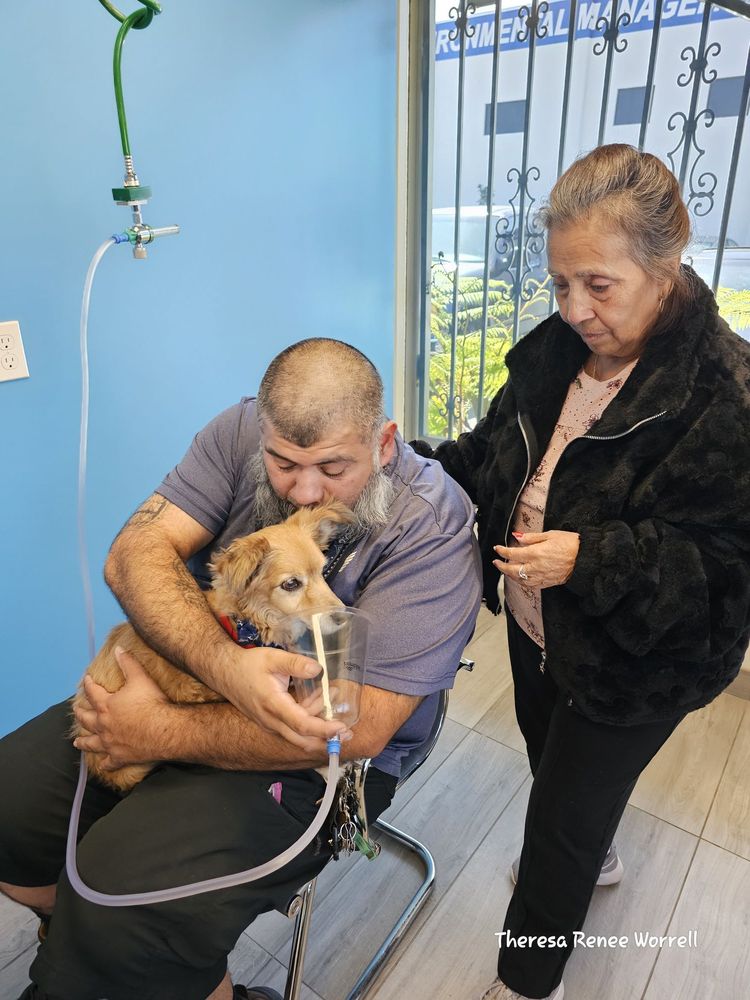
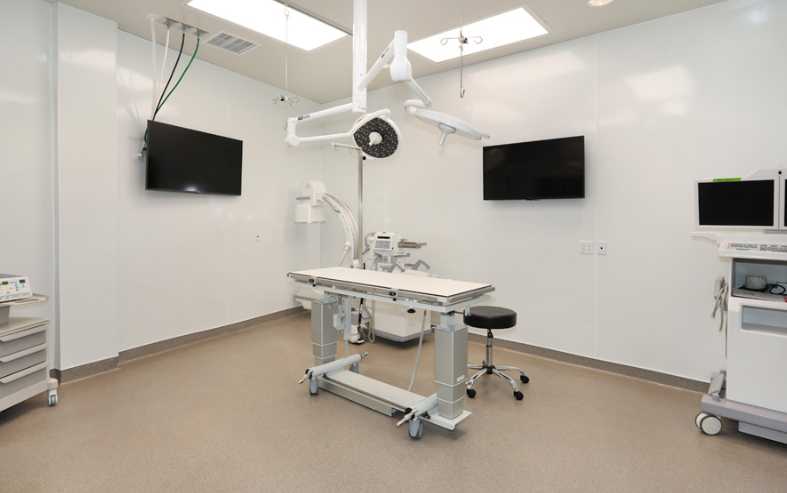
At CASE Animal Hospital, we provide immediate stabilization, diagnostic testing, and emergency treatment for dogs with breathing difficulties.

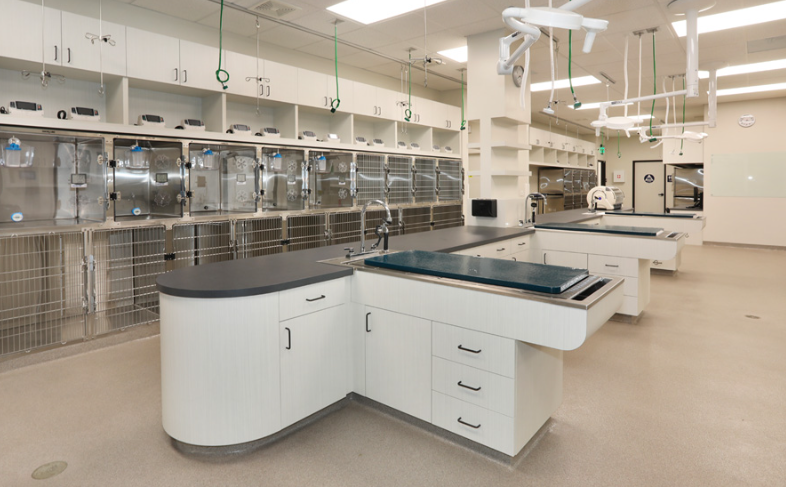
For dogs with life-threatening breathing problems, our ICU team provides 24/7 monitoring so we can respond quickly if your dog’s condition changes.

We accept walk-in emergencies 24/7 from Anaheim, Fullerton, and surrounding Orange County communities.

What to Do Before You Take Your Dog to the Emergency Vet

When a respiratory emergency strikes, your quick actions at home directly protect your sweet pet. Follow these precise steps to secure their oxygen flow and safety before you arrive at CASE Animal Hospital.

Call CASE Animal Hospital Immediately

Ask a trusted person to drive so you focus entirely on your dog. The moment you dial, we prepare our oxygen chambers and necessary respiratory interventions.

We stay on the line, triage the breathing crisis, and guide you step-by-step.

Perform Targeted Respiratory First Aid

Remove any tight collars or harnesses immediately. Hold your dog’s head delicately and stretch their neck forward. This straight posture pulls vital air directly into their lungs.

Never hug or hold your dog tightly. Leave their chest and throat completely free.

Offer absolutely zero food, water, or human medications. You prevent severe airway obstruction by keeping their mouth completely clear.

Gather Vital Health Details

Before heading to the emergency vet, gather your dog’s vaccination records, current medications, and relevant medical history.

If you notice any possible triggers that affect your dog’s breathing, such as exposure to chemicals, smoke, allergens, or toxic substances, bring any related packaging or product information with you.

We use this information to assess your dog’s condition, identify possible causes of their breathing difficulties, and guide treatment decisions without unnecessary delays.

Ensure a Safe, Breathable Transport

Fear and struggle rapidly deplete your dog’s limited oxygen supply. Handle your pet with extreme care and speak in a soft, reassuring voice.

Carry your dog gently to the car to prevent any physical exertion. Turn on the air conditioning to provide cool, comforting air, as heat worsens respiratory distress.

Monitor their breathing rhythm and gum color from the passenger seat while the driver navigates safely.

When to Take a Dog to the Emergency Vet for Breathing Problems

Breathing problems become life-threatening very quickly, and recognizing the warning signs early helps save your dog’s life.

Watch your sweet pet closely for these severe symptoms:

(Click on each symptom [▼] to view details if you need to double-check your dog’s condition.)

This is a critical red flag that indicates a severe, life-threatening lack of oxygen in the bloodstream. (Note: A healthy dog’s gums stay a bright, bubblegum pink color.)

If the gums lose their healthy pink color and turn pale or white, it indicates shock, severe blood loss, anemia, or severely impaired circulation. Pale or white gums require immediate veterinary evaluation.

Persistent open-mouth breathing, frantic gasping for air, or heavy panting is highly abnormal when your dog rests without prior exercise in a cool environment.

Instead of normal, gentle chest breathing, you notice pronounced movement of the stomach or sides with each breath.

Your dog uses extra effort to move air in and out of the lungs and flares their nostrils or uses additional muscles around the chest and abdomen to help breathe.

Your dog stretches their head and neck straight out to open the airway as much as possible. They often hold their elbows away from the chest to make breathing easier and reduce the effort required to breathe.

You hear unusual, loud noises coming from the throat or chest. This includes wheezing, whistling, harsh rasping, or sounds that resemble choking.

The chest moves very quickly but barely expands. Unlike normal panting, this fast, shallow breathing signals significant respiratory distress and requires immediate evaluation.

Dogs struggling to breathe often become anxious, restless, and unable to settle comfortably.

Many dogs refuse to lie down because breathing feels easier in a standing or upright position.

Collapse, fainting, severe weakness, or unresponsiveness indicates a life-threatening emergency and requires immediate veterinary care.

Dogs experiencing severe breathing distress often appear shaky, tremble, or develop muscle tremors because breathing becomes physically exhausting and stressful.

Shaking alongside breathing difficulty also accompanies severe pain, shock, heatstroke, toxin exposure, or other life-threatening emergencies.

If breathing problems occur together with shaking, seek emergency veterinary care immediately.

We evaluate these symptoms promptly to identify the underlying cause and begin life-saving treatment when necessary.

When Every Minute Matters, We Never Leave Their Side. Do not wait. Call 657-999-1150 and head directly to CASE Animal Hospital. Our emergency team stands ready to save your dog’s life.

Oxygen support

Call Us Now

657-999-1150

Visit Our Hospital

1400 N Burton Place
Anaheim, CA 92806

When to Schedule a Specialty Vet Care Appointment?

If your dog’s breathing appears abnormal but they are not in acute distress, you should still schedule an appointment at Case Animal Hospital soon. These include the following symptoms:

Your dog breathes more than 30 times per minute during deep sleep. Healthy dogs maintain a significantly lower, steady respiratory pace.

You hear a persistent, dry cough over several days, but your dog remains active and breathes comfortably in between episodes.

Your dog presents with a runny nose, frequent sneezing, or mild congestion alongside their normal daily routine.

Your dog shows a gradual loss of energy or a reduced appetite over a few days, even while resting comfortably.

Early evaluation identifies minor respiratory issues before they escalate. This proactive care secures a smooth and comfortable recovery for your beloved dog.

How We Treat Dogs with Breathing Problems

When you take your dog to CASE Animal Hospital, our absolute first priority is life-saving intervention. We act immediately to secure their airway, administer oxygen therapy, and stabilize their breathing.

The moment your dog is out of immediate danger, our emergency veterinary team moves swiftly to diagnose the root cause and deliver targeted, critical care.

Oxygen Support: We provide supplemental oxygen through a face mask, oxygen kennel, or nasal oxygen tubes to improve oxygen levels and reduce breathing effort.

IV Fluid Therapy: When appropriate, we administer carefully controlled IV fluids to support circulation, hydration, and overall stability.

Stress Reduction & Sedation: We use carefully selected sedatives to reduce anxiety, lower respiratory strain, and help your dog remain calm during treatment.

Cooling Support: If overheating contributes to the problem, we provide active cooling and a quiet environment to lower body temperature and reduce excessive panting.

Airway Management: If your dog struggles to maintain a clear airway, we secure the airway through emergency interventions such as endotracheal intubation, airway suctioning, or temporary airway procedures.

Once your dog breathes more comfortably, we perform diagnostic testing to identify the underlying cause of their breathing difficulty.

Medical History Consultation: We speak with you to understand the timeline of your dog’s symptoms, previous medical conditions, recent activities, and potential exposure to toxins, foreign objects, or infectious diseases.

Physical Examination & Oxygen Monitoring: We assess breathing patterns, heart and lung sounds, gum color, and oxygen saturation levels.

Laboratory Testing: We perform blood tests, blood gas analysis, and parasite screening to evaluate organ function, oxygenation status, infection, inflammation, and respiratory parasites.

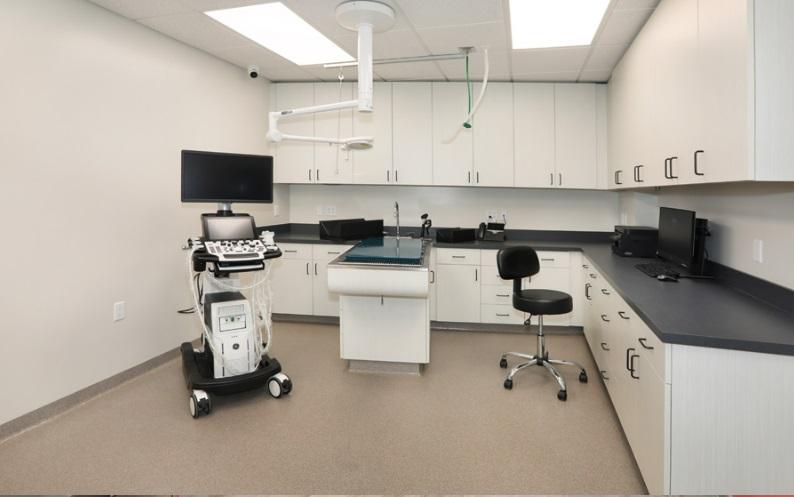
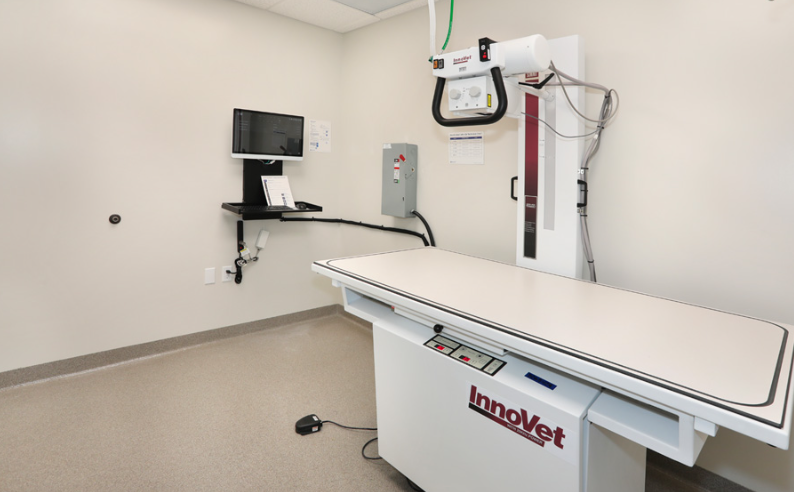
Diagnostic Imaging: We use chest X-rays and thoracic ultrasound to evaluate the lungs, airways, heart, and chest cavity.

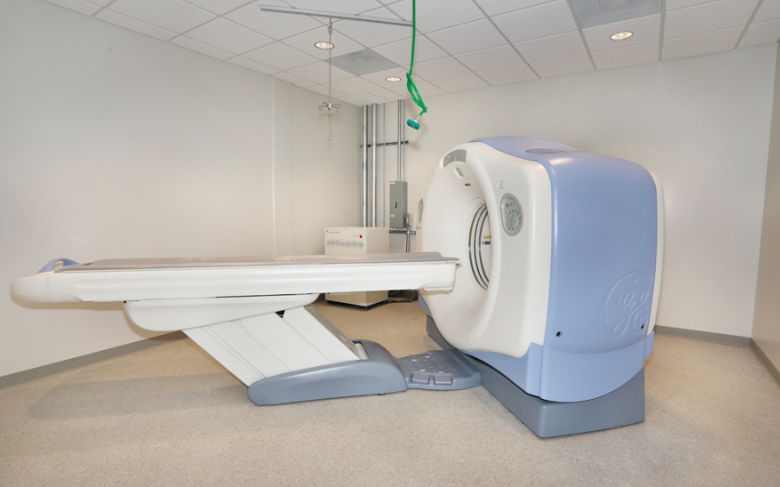
Advanced Diagnostics: When additional investigation is necessary, we perform CT imaging, echocardiography, or bronchoscopy to examine complex respiratory and cardiovascular conditions.

After we identify the underlying cause, we develop a treatment plan that improves breathing, relieves discomfort, and addresses the specific condition.

Thoracentesis & Chest Tube Placement: If fluid or air surrounds the lungs, we remove the buildup to relieve pressure and support normal lung expansion.

Targeted Medications: We prescribe condition-specific medications, including bronchodilators, anti-inflammatory drugs, antibiotics, diuretics, and pain management therapies.

Airway Obstruction & Foreign Body Removal: If a foreign object, airway mass, or other obstructive material blocks the airway, we remove the obstruction through endoscopic or surgical procedures.

Advanced Respiratory Support: For severe respiratory failure, we provide endotracheal intubation and mechanical ventilation to maintain oxygenation and lung function.

Corrective Surgery: We perform corrective procedures for structural conditions such as brachycephalic airway syndrome, laryngeal paralysis, diaphragmatic hernias, and other anatomical abnormalities that affect breathing.

Continuous ICU Care: Dogs requiring advanced respiratory support receive close monitoring in our Intensive Care Unit (ICU), where we continuously evaluate breathing, oxygen levels, comfort, and treatment response.

Same-Day Recovery & Discharge: Dogs with rapidly improving conditions return home with detailed discharge instructions, prescribed medications, and clear recovery guidance.

At every stage of care, our emergency veterinary team responds quickly, gently, and compassionately to protect your dog and support your family.

For complex respiratory issues, such as congestive heart failure, collapsing trachea, or chronic bronchitis, our priority is your dog’s stability. Afterward, our specialists help you explore all long-term treatments, ensuring you remain completely in control of your pet’s care path.

Come for Help at a Veterinary Hospital in Anaheim, CA

CASE Animal Hospital in Anaheim, CA operates 24/7 and provides emergency and board-certified specialty veterinary care under one roof.

Dogs with severe respiratory conditions receive immediate access to advanced care without the delays of transferring between facilities.

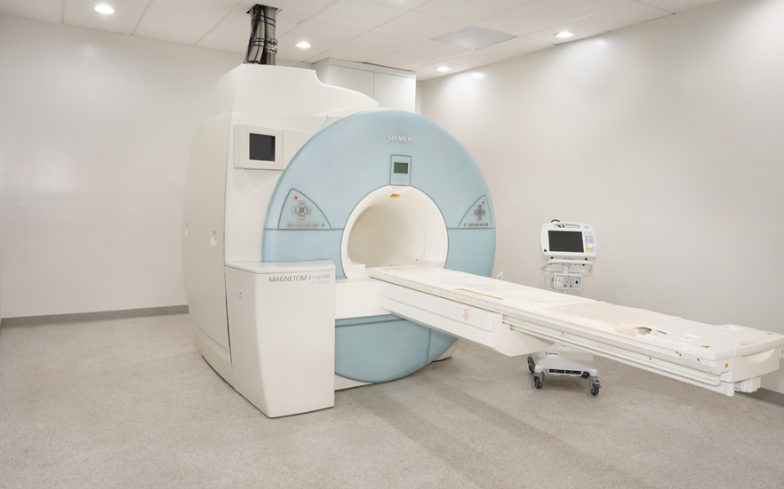
Our veterinary specialists use blood testing, advanced X-ray imaging, CT scans, thoracic ultrasounds, and echocardiography to pinpoint the exact cause of respiratory failure.

We provide the seamless, rapid, and accurate medical intervention your dog needs to survive, recover, and return home safely. Call 657-999-1150 and drive straight to our clinic.
Meet Our Emergency Staff

Dr. Sam Rafia, DVM - CASE Animal Hospital in Anaheim

Dr. Sam
Rafia

DVM, DVSC, ECFVG
Dr. Ali Haghnazary, DVM - CASE Animal Hospital in Anaheim

Dr. Ali
Haghnazary

DVM
Dr. Esther Yang, DVM - CASE Animal Hospital in Anaheim

Dr. Esther
Yang

DVM
Dr Cristina Winslow, DVM

Dr. Cristina
Winslow

DVM
Dr Cristina Guijon DVM

Dr. Cristina
Guijon

DVM
Dr Kyla Arreola DVM

Dr. Kyla
Arreola

DVM
Emergency Care

Frequently Asked Questions

If you have any additional questions, or wish to speak with someone, please contact our office today.

If your resting dog takes over 30 breaths per minute, shows pale gums, or struggles to breathe, bring them to CASE Animal Hospital immediately. We intervene instantly to protect your sweet pet.

Share the exact symptom start time, current medications, and possible toxin exposures. These specific details help our emergency team diagnose faster and deliver targeted care.

We prioritize immediate safety by administering life-saving oxygen therapy first. Once your pet rests comfortably, we perform safe imaging and blood tests to uncover the root cause.

Costs depend entirely on your pet’s specific needs, from basic triage to ICU support. We provide a transparent estimate before any major procedure and partner with CareCredit, Scratchpay, and Cherry for flexible financing.

The stay depends strictly on condition severity. Quickly resolved cases return home the same day, while complex cases rest safely in our ICU. We provide constant updates and a clear recovery timeline.

Dogs and Cats Helped

89,626

Immediate Emergency And Specialty Veterinary Care

Walk in 24/7 or Call 657-999-1150 Now

CASE Animal Hospital

1400 N Burton Pl
Anaheim, CA 92806
657-999-1150

Office Hours

Monday through Sunday
Open 24 Hours a Day