24/7 Emergency Vet for Dog Poisoning: When to Seek Care in Anaheim

If your dog shows warning signs of poisoning such as vomiting, diarrhea, drooling, seizures, difficulty breathing, or loss of coordination, seek veterinary care immediately.

Call us at 657-999-1150 or visit CASE Animal Hospital at 1400 N Burton Pl, Anaheim, CA 92806, for emergency care.

We are available 24/7 for walk-in emergency and critical care, serving Anaheim, Fullerton, and surrounding Orange County communities.

Our team stabilizes your dog, assesses their symptoms, conducts rapid diagnostics, and provides targeted treatment.

For severe poisonings from rodenticides, toxic doses of chocolate, or human medications, we provide continuous monitoring and critical care to improve your dog’s chances of recovery.

What Should I Do Before Taking My Dog to an Emergency Vet?

While you prepare to leave for CASE Animal Hospital, follow these steps to help prevent your dog from further exposure to the toxin.

Immediate Steps to Take

① Secure the Area: Move your dog away from the toxin source immediately and prevent further exposure.

② Keep Your Dog Calm: Keep your dog quiet and safe while preparing for transport.

③ Call CASE: (657) 999-1150

④ Gather Evidence and Information

📦 Bring packaging, labels, medication containers, or plant samples.

📝 Share the toxin, exposure time, amount, weight, and symptoms with your vet.

⑤ Seek Emergency Care: Bring your dog to our emergency hospital immediately.

Many toxins begin damaging the body before visible symptoms appear. Depending on the substance involved, poisoning rapidly affects the kidneys, liver, heart, lungs, or nervous system.

Even if your dog appears normal, delaying treatment reduces the effectiveness of decontamination and other life-saving interventions. Early care from our team often leads to better outcomes and helps prevent permanent organ damage.

Avoid common mistakes that worsen the situation:

  • Do not wait for symptoms to appear before contacting us.
  • Do not give home remedies such as milk or oil, or try unverified treatments recommended on social media or online forums.
  • Do not give human medications, including products such as Pepto-Bismol, unless our team specifically instructs you to do so.
  • Never use salt water to induce vomiting, as it causes life-threatening salt toxicity.
  • Do not force food or water if your dog is weak, vomits, is unconscious, or struggles to swallow.

No. Do not induce vomiting unless our veterinary professionals specifically instruct you to do so. Vomiting is highly dangerous if your dog swallows:

  • Bleach
  • Battery acid
  • Drain cleaners
  • Sharp foreign materials
  • Petroleum-based products

Vomiting also poses severe risks if your dog lacks airway protection, such as when they are:

  • Unconscious
  • Struggling to breathe
  • Actively seizing or trembling
  • Unable to swallow normally

Because the safest response depends on the substance involved, contact us before you attempt to induce vomiting. If we recommend vomiting, follow our instructions exactly.

If a toxic substance is on your dog’s coat or skin, remove it as quickly as possible to limit further exposure:

Wear protective gloves before you handle your dog to avoid exposing yourself to the toxin.

If the substance is a dry chemical or powder: Carefully brush or shake it off your dog’s coat without spreading it to other areas of the body.

Caution: Never use water to clean off certain chemical powders, as some react negatively to moisture. Always check with us or a poison control expert first.

If the substance is a liquid toxin: Wash the affected area with warm water and a grease-cutting dish soap, then rinse thoroughly to remove any remaining toxic residue.

These steps remove surface contamination and reduce the risk of your dog licking the toxin. Even after you clean the affected area, bring your dog to CASE Animal Hospital as soon as possible.

If a chemical or toxic substance enters your dog’s eyes, flush the affected eye with sterile saline solution, if available:

  • Continue rinsing gently for 10 to 15 minutes to remove as much of the substance as possible.
  • Avoid using medications, eye drops, or other treatments unless we specifically direct you to do so.

Even if the eye appears normal afterward, some chemicals continue damaging delicate eye tissues after exposure.

Bring your dog to CASE Animal Hospital for a thorough evaluation as soon as possible.

When to Take Your Dog to the Emergency Vet for Poisoning

Poisoning becomes life-threatening within minutes. If you suspect toxic exposure, do not wait for symptoms to worsen. Contact us at CASE Animal Hospital immediately for care.

Critical Warning Signs of Poisoning

Bring your dog to our emergency clinic right away if they develop:

  • Pale, blue, purple, or bright-red gums.

  • Seizures, muscle tremors, or loss of coordination.

  • Collapse, extreme lethargy, or inability to stand.

  • Difficulty breathing, rapid panting, or wheezing.

  • Severe, repeated, or bloody vomiting and diarrhea.

  • Excessive drooling, foaming at the mouth, or retching.

  • Sudden agitation, disorientation, or abnormal behavior.

  • Unexplained bruising or bleeding from the nose or gums.

These signs indicate serious poisoning affecting the nervous system, respiratory system, cardiovascular system, or internal organs. Prompt treatment significantly improves your dog’s chances of recovery.

Oxygen support

Call Us Now

657-999-1150

Visit Our Hospital

1400 N Burton Place
Anaheim, CA 92806

High-Risk Poisonings That Require Emergency Care

Even if your dog shows no symptoms yet, we urge you to seek immediate emergency care if you suspect exposure to any of these toxins:

Rodenticides containing bromethalin or cholecalciferol cause severe neurological symptoms or acute kidney failure in dogs.

Human medications, including Advil, Tylenol, and prescription drugs, directly cause life-threatening toxic reactions in dogs.

Antifreeze is highly toxic; ingesting even a small amount causes rapid kidney failure without immediate, aggressive treatment.

Xylitol is commonly found in sugar-free gum and mints, and it may also be present in some peanut butter products. It causes severe hypoglycemia and potentially life-threatening liver damage in dogs.

Theobromine and caffeine are stimulants that cause vomiting, agitation, an elevated heart rate, tremors, seizures, and potentially fatal cardiac complications in dogs.

Contact with toxic toad secretions (bufotoxins) leads to excessive drooling, seizures, abnormal heart rhythms, and respiratory distress.

Many insecticides affect the nervous system and cause drooling, tremors, weakness, or seizures.

Although uncommon in household pet exposures, cyanide poisoning prevents a dog’s cells from using oxygen effectively, making immediate emergency treatment essential.

Excessive salt intake causes dehydration, neurological symptoms, seizures, and severe electrolyte imbalances.

Moldy food contains toxins that cause your dog to experience vomiting, tremors, seizures, and organ damage.

Rattlesnake bites cause your dog severe pain, rapid swelling, tissue damage, and life-threatening shock.

This serious infectious disease develops after a dog eats infected raw or undercooked fish. It causes fever, vomiting, diarrhea, weakness, and severe illness.

The tartaric acid found in grapes and raisins rapidly induces acute kidney failure in susceptible dogs, and even small amounts pose a serious risk.

Onions and garlic (containing thiosulfates and N-propyl disulfide) destroy your dog’s red blood cells and cause severe anemia, weakness, and breathing difficulties.

Green potatoes, potato sprouts, and certain parts of potato plants contain solanine, a toxic glycoalkaloid that directly attacks and damages your dog’s digestive and nervous systems.

Ingesting toxic household and landscape plants such as sago palms, lilies, or azaleas triggers severe vomiting, sudden seizures, and rapid organ failure. If your dog chews even a single leaf, we urge you to bring them to our hospital for emergency care immediately.

When Every Minute Matters, We Never Leave Their Side. Do not wait. Call 657-999-1150 and head directly to CASE Animal Hospital. Our emergency team stands ready to save your dog’s life.

How We Treat Dogs with Poisoning

Treating poisoning involves more than simply removing the toxin. We follow a structured process to stabilize your dog, limit toxin absorption, and prevent complications.

If your dog is experiencing seizures, difficulty breathing, shock, or other life-threatening symptoms, immediate stabilization is the top priority.

Emergency treatment may include:

  • Oxygen therapy
  • IV fluids
  • Medications to control seizures or tremors
  • Blood pressure and circulatory support

While our team stabilizes your dog, we gather critical details from you to calculate the toxicity level and guide our treatment plan.

We collect specific information, including:

  • Your dog’s breed, age, and exact weight.
  • The name, packaging, or plant samples of the suspected toxin.
  • The estimated amount your dog ingested or contacted.
  • The exact time of exposure and the progression of symptoms at home.
  • Your dog’s pre-existing health conditions and current medications.

Following this, we perform rapid diagnostics to assess internal damage. These evaluations include:

  • Blood and urine tests to check kidney and liver function.
  • Coagulation profiles to assess blood clotting capabilities.
  • Electrocardiograms (ECG) to monitor heart rhythms.
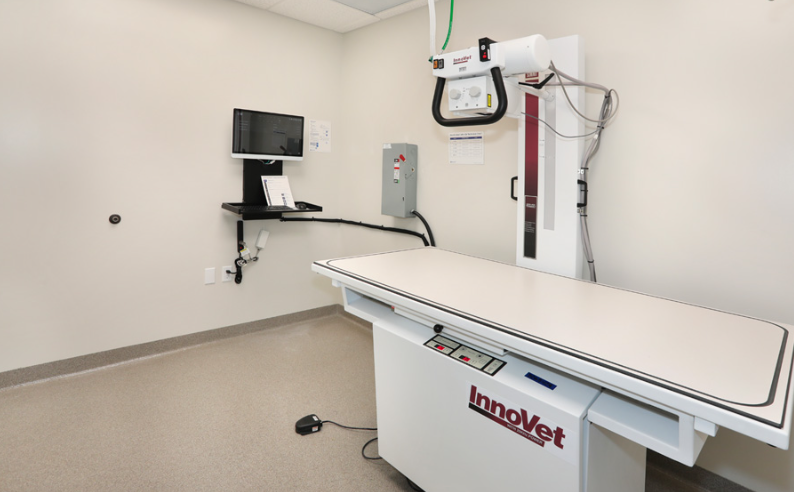
  • X-rays or ultrasounds to reveal ingested objects or fluid in the lungs.

The next step is to prevent further toxin absorption into the bloodstream. Depending on the specific poison and the situation, our decontamination protocols include:

Induced Vomiting: We administer specific medications (such as apomorphine) to safely empty your dog’s stomach. We use this method if the toxic exposure is recent, typically within the last few hours.

Activated Charcoal: If the poison leaves the stomach, we administer activated charcoal by mouth. This substance strongly binds to the toxins in your dog’s digestive tract and prevents them from entering the bloodstream.

Gastric Lavage: For severe cases involving large amounts of toxins or an unconscious dog, we perform a stomach pump (gastric lavage) under general anesthesia.

Topical Washing: If the chemical is on your dog’s skin or coat, we completely wash the affected areas with specialized grease-cutting soaps to remove all toxic residue.

Some poisons have specific antidotes that reverse or reduce toxic effects. Examples include:

  • Vitamin K1 for certain rat poison exposures
  • Antivenin for venomous snake bites
  • Intravenous lipid emulsion therapy (ILE) for selected toxicities

Because treatment varies by toxin, identifying the substance involved improves treatment decisions and outcomes.

Many toxins do not have a direct antidote. In these cases, we focus on supporting your dog’s body while it naturally eliminates the poison. Our supportive therapies include:

IV Fluid Therapy: We administer continuous intravenous fluids to maintain your dog’s blood pressure, dilute internal toxins, and flush the poison out through the kidneys.

Gastrointestinal Protectants & Anti-Nausea: We provide specialized medications to soothe stomach ulcers, stop severe vomiting, and protect the digestive tract lining.

Pain Management & Nutritional Support: We administer targeted pain relief to keep your dog comfortable and provide essential nutrients to accelerate recovery.

Advanced Kidney and Liver Support: For severe cases, we perform life-saving treatments like blood transfusions or dialysis to replace damaged cells and artificially filter toxins.

Some poisoning complications develop hours or even days after the initial exposure. For this reason, we hospitalize severe cases in our Intensive Care Unit (ICU) to provide round-the-clock observation.

Our veterinary team continuously monitors your dog’s vitals, including:

  • Heart rate and rhythm to detect sudden cardiac abnormalities.
  • Blood pressure to ensure stable and proper circulation.
  • Neurological status to watch for delayed seizures or tremors.
  • Kidney and liver function to confirm the internal organs successfully clear the toxins.
  • Blood glucose and electrolyte levels to maintain critical internal balance.

This strict oversight allows us to adjust treatments instantly and ensures your dog is completely safe before returning home to you.

Comprehensive Veterinary Hospital in Anaheim, CA

Severe poisoning emergencies require rapid decision-making, advanced diagnostics, and immediate access to specialized veterinary resources. At CASE Animal Hospital, your dog receives emergency evaluation, diagnostic testing, treatment, hospitalization, and specialty care in one location.

Our board-certified veterinary specialists work directly with our emergency team to provide continuous, high-level care that eliminates the risks and delays associated with transferring patients.

This coordinated approach reduces response times and allows our team to act immediately when every minute matters.

Contact Our Emergency Team

Do you suspect your dog has been exposed to a toxic substance? Our emergency team is ready to act quickly.

📍 Visit Us: 1400 N Burton Pl, Anaheim, CA 92806

📞 Call Now: 657-999-1150
Meet Our Emergency Staff

Dr. Sam Rafia, DVM - CASE Animal Hospital in Anaheim

Dr. Sam
Rafia

DVM, DVSC, ECFVG
Dr. Ali Haghnazary, DVM - CASE Animal Hospital in Anaheim

Dr. Ali
Haghnazary

DVM
Dr. Esther Yang, DVM - CASE Animal Hospital in Anaheim

Dr. Esther
Yang

DVM
Dr Cristina Winslow, DVM

Dr. Cristina
Winslow

DVM
Dr Cristina Guijon DVM

Dr. Cristina
Guijon

DVM
Dr Kyla Arreola DVM

Dr. Kyla
Arreola

DVM
Emergency Care

Frequently Asked Questions

If you have any additional questions, or wish to speak with someone, please contact our office today.

Symptoms can appear within 30 minutes to several days, depending on the toxin and amount consumed. Some toxins, such as antifreeze, may cause symptoms almost immediately, while others, including rodenticides and chocolate, can take hours or even several days before signs appear.

Yes, dogs recover from poisoning. Survival and recovery depend on the speed of veterinary intervention, the type and amount of the toxin ingested, and your dog’s overall health. Early care at CASE Animal Hospital significantly improves your dog’s outcome.

We prioritize immediate safety by administering life-saving oxygen therapy first. Once your pet rests comfortably, we perform safe imaging and blood tests to uncover the root cause.

Costs depend entirely on your pet’s specific needs, from basic triage to ICU support. We provide a transparent estimate before any major procedure and partner with CareCredit, Scratchpay, and Cherry for flexible financing.

The stay depends strictly on condition severity. Quickly resolved cases return home the same day, while complex cases rest safely in our ICU. We provide constant updates and a clear recovery timeline.

Dogs and Cats Helped

89,626

Immediate Emergency And Specialty Veterinary Care

Walk in 24/7 or Call 657-999-1150 Now

CASE Animal Hospital

1400 N Burton Pl
Anaheim, CA 92806
657-999-1150

Office Hours

Monday through Sunday
Open 24 Hours a Day