24/7 Emergency Vet for Dog Seizure: When to Seek Care in Anaheim

Seek veterinary care immediately if your dog’s seizure lasts more than 5 minutes, they experience two or more seizures within 24 hours, do not regain consciousness, or this is their first-ever seizure.

Call us at 657-999-1150 or visit CASE Animal Hospital at 1400 N Burton Pl, Anaheim, CA 92806, for emergency care.

We are available 24/7 for walk-in emergency and critical care, serving Anaheim, Fullerton, and surrounding Orange County communities.

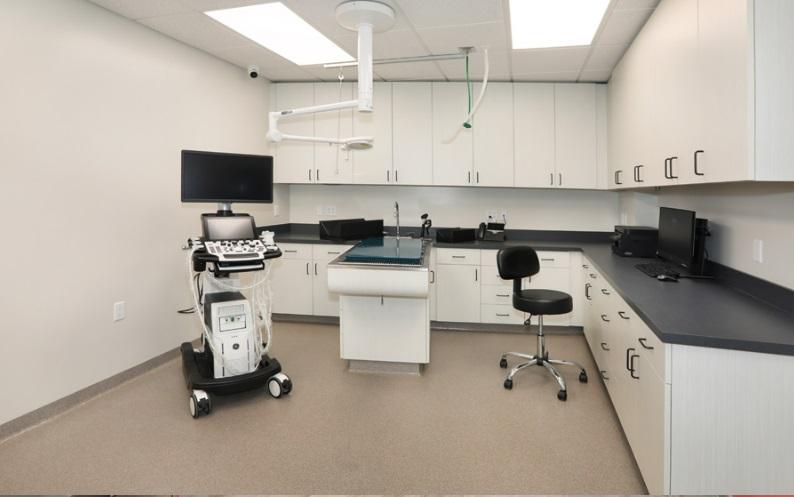
Our team stabilizes your dog, assesses their symptoms, performs rapid diagnostics, and provides targeted treatment.

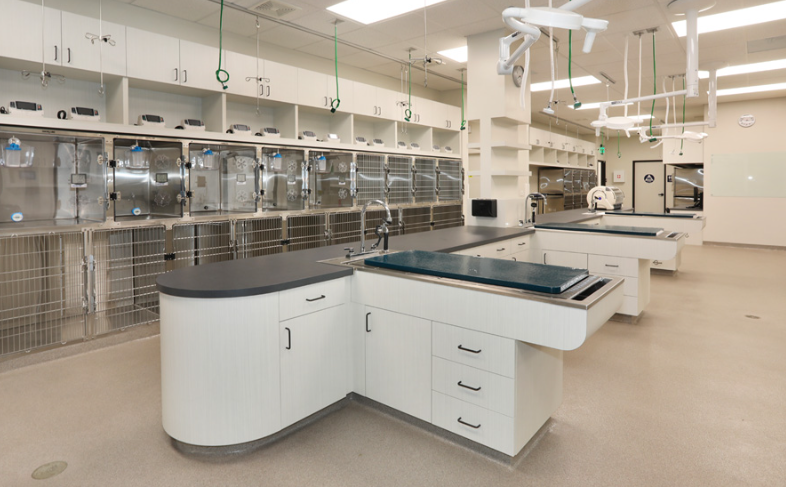
For severe seizures caused by poisoning, neurological disorders, metabolic disease, or other life-threatening conditions, we provide continuous monitoring and critical care to improve your dog’s chances of recovery.

What to Do Before You Take Your Dog to the Emergency Vet

Your immediate goals are to prevent injury during the seizure, time the episode, and prepare for a safe transport. Follow these critical steps before leaving your house:

1. Immediate First Aid (During the Seizure)

Time the seizures: Note the exact start time, duration, and frequency of the episodes.

Clear the area: Move hard furniture and sharp objects away to prevent injury.

Protect the head: Slip a soft towel under your dog’s head. Do not wrap them in blankets (to prevent overheating).

Do not restrain: Let the seizure run its course naturally, because holding your dog down causes bone or muscle injuries.

Hands off the mouth: Never put hands or objects in their mouth. Dogs do not swallow their tongues, and they bite involuntarily during a seizure.

2. Preparing for the ER Trip

Call ahead: Call CASE Animal Hospital on the way so we prepare medications and equipment in advance.

Bring suspected toxins: If you suspect poisoning, safely bag and bring the packaging, label, or remaining substance.

Grab medical records: Bring your dog’s current medications and be ready to share their medical history.

Transport safely: Use a thick blanket to lift and carry your dog to the car. Once inside, keep the car cool and quiet to prevent overheating and further stress.

When to Take a Dog to the Emergency Vet for Dog Seizure

If you’re unsure whether your dog’s seizure is an emergency, use the quick comparison table below. When in doubt, contact an emergency veterinarian immediately.

Go to an Emergency Vet Now Call Your Regular Vet
Seizure lasts over 5 minutes Seizure lasts under 2 minutes
Two or more seizures in 24 hours One seizure with full recovery
Does not recover normally after the seizure Dog returns to normal behavior
First seizure ever, or Seizures becoming more frequent or severe Known seizure disorder with no changes
Suspected poisoning or Toxin exposure No known toxin exposure
Recent head injury, trauma, or Severe injury during seizure No recent injury
Trouble breathing, Blue gums, or Overheating (Panting/Hot) Breathing is normal
Extreme weakness or Inability to stand Mild tiredness that improves quickly

When Every Minute Matters, We Never Leave Their Side. Do not wait. Call 657-999-1150 and head directly to CASE Animal Hospital. Our emergency team stands ready to save your dog’s life.

Call Us Now

657-999-1150

Visit Our Hospital

1400 N Burton Place
Anaheim, CA 92806

How We Treat Dogs with Seizures

At CASE Animal Hospital, treating canine seizures requires a comprehensive, step-by-step approach. We immediately stabilize your dog to stop active convulsions, utilize advanced diagnostics to pinpoint the underlying cause, and design a targeted medical plan.

From 24/7 intensive care monitoring to long-term home management, our emergency and neurology teams guide you through every stage of the recovery process.

Upon arrival at CASE Animal Hospital, our ER team immediately acts to:

Administer fast-acting anticonvulsants, such as diazepam or midazolam, using the most appropriate route (IV, intranasal, or rectal) to control or stop the active seizure.

Assess and support your dog’s airway and provide oxygen therapy as needed to stabilize their breathing.

Initiate IV fluids when indicated to support circulation, blood pressure, hydration, and ongoing medical treatment.

Monitor core body temperature and provide cooling measures when necessary to prevent dangerous overheating.

Once your dog is stable, our veterinarian gathers a detailed medical history and performs a thorough physical and neurological examination.

We review critical information with you, including:

The exact timeline, duration, and frequency of the episodes.

Your dog’s age, breed, and genetics.

Any history of cluster seizures or prolonged episodes.

Specific behavioral changes before or after a seizure.

Current medications, recent illnesses, prior injuries, or suspected toxin exposure.

To treat your dog’s seizures effectively, identifying the underlying cause is an essential part of developing a targeted treatment plan. Our diagnostic approach includes:

Blood and Urine Panels: To evaluate glucose levels, electrolyte balance, liver and kidney function, and other metabolic abnormalities.

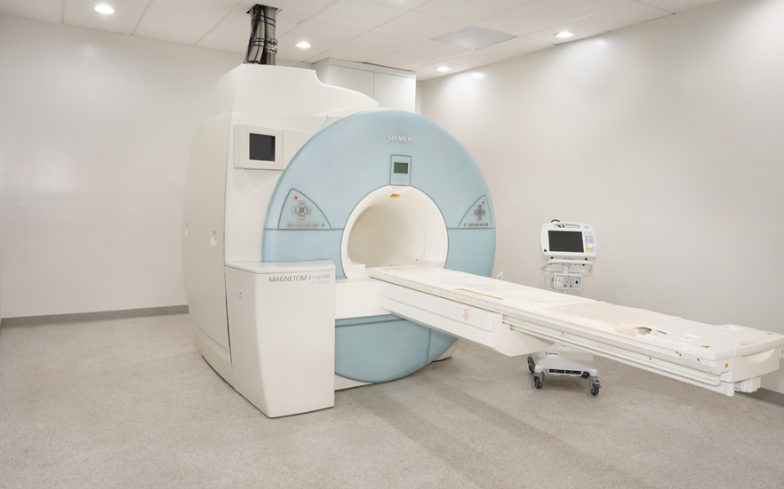
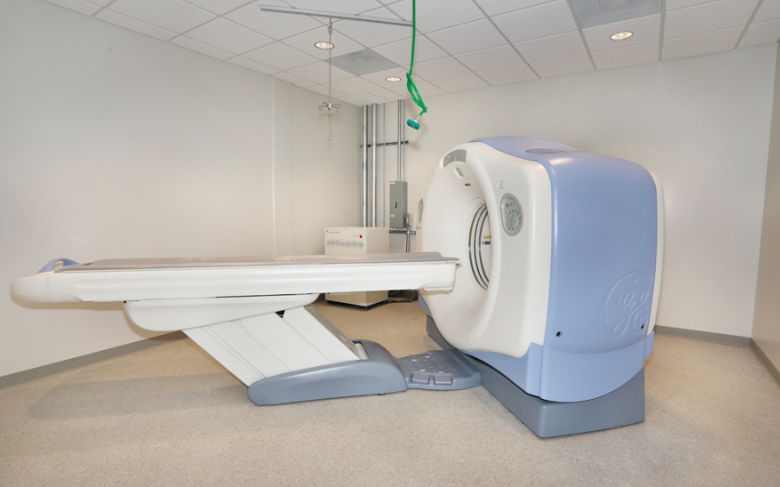
Neurological Diagnostics: MRI (preferred in many neurological cases) or CT imaging and cerebrospinal fluid (CSF) analysis to identify brain tumors, inflammation, or structural abnormalities.

Once we confirm an accurate diagnosis, we develop an individualized treatment plan based on the underlying cause whenever possible, while also controlling seizure activity:

Epilepsy: Long-term anti-seizure medication and regular monitoring.

Brain Inflammation (Encephalitis): Anti-inflammatory or immunosuppressive therapies, often combined with seizure medication.

Brain Tumors: Surgery, radiation therapy, or supportive/palliative care, depending on the specific case.

Traumatic Brain Injury: Treatments focused on reducing brain swelling and managing other complications, with seizure control as needed.

Metabolic or Toxic Causes: Correction of the underlying problem, such as managing low blood sugar, treating liver disease, correcting electrolyte imbalances, or addressing toxin exposure.

For severe seizures caused by poisoning, neurological disorders, metabolic disease, or other life-threatening conditions, patients require intensive observation.

In our 24/7 Intensive Care Unit (ICU), our critical care team provides:

Continuous Vitals Monitoring: Tracking ECG, oxygen levels (SpO₂), blood pressure, body temperature, and neurological status around the clock.

Constant Rate Infusions (CRI): Administering continuous IV infusions of anti-seizure medications when needed to control ongoing or recurrent seizure activity.

Post-Treatment Recovery: Close neurological monitoring during recovery from advanced diagnostics, anesthesia, or neurosurgical procedures.

When your dog is stable and ready to leave the hospital, we provide a comprehensive discharge plan to ensure their continued well-being. This includes:

Take-Home Medications: Clear instructions on administering daily anti-seizure drugs or other prescribed treatments.

Seizure Log Management: Guidance on how to track future episodes (duration, frequency, and severity) to help us adjust treatments effectively.

Follow-Up Appointments: Scheduling regular check-ups and blood tests to monitor medication effects, organ function, and, when indicated, therapeutic drug levels.

Lifestyle & Diet Adjustments: Recommendations for a safe home environment, medication compliance, and nutritional support when appropriate.

Comprehensive Veterinary Hospital in Anaheim, CA

CASE Animal Hospital in Anaheim, CA operates 24/7 and provides emergency and board-certified specialty veterinary care under one roof.

Dogs with severe seizures receive immediate access to advanced medical attention without the delays of transferring between facilities.

Our veterinary specialists use comprehensive blood panels, high-field MRI, CT imaging, and cerebrospinal fluid (CSF) analysis to pinpoint the exact root cause of the neurological emergency.

We provide the seamless, rapid, and accurate intervention your dog needs to survive, recover, and return home safely. Call 657-999-1150 and drive straight to our clinic.

Meet Our Emergency Staff

Dr. Sam Rafia, DVM - CASE Animal Hospital in Anaheim

Dr. Sam
Rafia

DVM, DVSC, ECFVG
Dr. Ali Haghnazary, DVM - CASE Animal Hospital in Anaheim

Dr. Ali
Haghnazary

DVM
Dr. Esther Yang, DVM - CASE Animal Hospital in Anaheim

Dr. Esther
Yang

DVM
Dr Cristina Winslow, DVM

Dr. Cristina
Winslow

DVM
Dr Cristina Guijon DVM

Dr. Cristina
Guijon

DVM
Dr Kyla Arreola DVM

Dr. Kyla
Arreola

DVM
Emergency Care

Frequently Asked Questions

If you have any additional questions, or wish to speak with someone, please contact our office today.

Most seizures lasting less than 2 minutes are not fatal. However, seizures that continue for more than 5 minutes can cause permanent brain damage and may become life-threatening.

A seizure becomes a medical emergency if your dog has a single seizure lasting longer than 5 minutes or experiences two or more seizures within a 24-hour period (known as cluster seizures). These situations require immediate veterinary attention.

We prioritize immediate safety by administering life-saving oxygen therapy first. Once your pet rests comfortably, we perform safe imaging and blood tests to uncover the root cause.

Costs depend entirely on your pet’s specific needs, from basic triage to ICU support. We provide a transparent estimate before any major procedure and partner with CareCredit, Scratchpay, and Cherry for flexible financing.

The stay depends strictly on condition severity. Quickly resolved cases return home the same day, while complex cases rest safely in our ICU. We provide constant updates and a clear recovery timeline.

Dogs and Cats Helped

89,626

Immediate Emergency And Specialty Veterinary Care

Walk in 24/7 or Call 657-999-1150 Now

CASE Animal Hospital

1400 N Burton Pl
Anaheim, CA 92806
657-999-1150

Office Hours

Monday through Sunday
Open 24 Hours a Day