Cat Seizures: Signs, What to Do & When to Seek Emergency Care

A cat seizure is a sudden burst of abnormal electrical activity in the brain that can cause changes in behavior, muscle control, awareness, or consciousness.

If your cat has a seizure, contact your veterinarian for guidance, especially if it is their first seizure or the cause is unknown.

Seek emergency veterinary care immediately if your cat’s seizure lasts longer than 2 to 3 minutes, repeated seizures occur, or your cat does not recover appropriately afterward.

CASE Animal Hospital provides 24/7 walk-in emergency and critical care. Call (657) 999-1150 and come directly to our hospital at 1400 N Burton Pl, Anaheim, CA 92806.

What Does a Seizure Look Like in a Cat?

A seizure in a cat can involve obvious signs such as collapsing, body stiffening, or uncontrolled jerking, but some seizures cause only subtle movements or changes in awareness or behavior.

The signs can vary depending on whether the seizure is generalized or focal.

Generalized (Full-Body) Seizures

Generalized convulsive seizures typically involve both sides of the body and cause a loss of consciousness.

Signs may include:

  • Sudden collapse or falling onto one side
  • Body stiffening and uncontrolled jerking

  • Rhythmic paddling of the legs

  • Drooling or foaming at the mouth

  • Yowling or crying out

  • Loss of bladder or bowel control

Focal (Partial) Seizures

Focal seizures can be more subtle and may affect only part of the body or cause unusual, repetitive behaviors.

Signs may include:

  • Twitching of the face, ears, whiskers, or eyelids

  • Jerking or repeated movements of one limb

  • Repetitive chewing, jaw movements, or lip smacking

  • Excessive drooling

  • Snapping at the air as if trying to catch something

  • Staring blankly or appearing dazed

Behavioral Changes: Before and After a Seizure

Before the seizure: You might notice your cat pacing, acting anxious, or suddenly needing a lot of attention. However, seizures can also strike suddenly with zero warning signs.

After the seizure (Recovery phase): Your cat will need time to recover. They may seem dazed, have trouble balancing, sleep heavily, or experience temporary blindness.

Immediate First Aid: What to Do During a Seizure

During a seizure, your immediate focus must be on preventing injury and tracking the episode to determine if it is a life-threatening emergency.

(Click each step [✚] to view details)

Move hard or sharp objects away from your cat and block access to stairs or other fall hazards. Dim bright lights, reduce noise, and keep children and other pets away.

Do not restrain your cat: Do not hold your cat down or try to stop the movements. This can injure both you and your cat.

Keep your hands away from their mouth: Never put your fingers or objects in your cat’s mouth or try to force their jaws open. Cats do not swallow their tongues, but they may bite involuntarily during a seizure.

Start a timer to note exactly when the seizure begins and ends. Count the number of episodes and note if your cat regains awareness between them.

Record a video: If you can do so safely while remaining aware of nearby hazards, capture your cat’s movements to show your veterinarian.

When to Seek Emergency Veterinary Care Immediately

Seizure duration, frequency, or accompanying symptoms dictate whether your cat is in critical danger. Take your cat directly to our Anaheim hospital if you notice any of these warning signs.

(Click each symptom [✚] to view details)

Most seizures in cats last only one to two minutes. If a seizure continues beyond 2–3 minutes, seek emergency veterinary care rather than waiting for it to stop on its own. A seizure lasting 5 minutes or longer is considered status epilepticus, a life-threatening emergency.

Two or more seizures within 24 hours require emergency veterinary care, even if your cat appears to recover between episodes. If another seizure begins before your cat regains consciousness, this strongly indicates status epilepticus.

It’s normal for your cat to be confused after a seizure. However, if they won’t respond to you, can’t stand up, or seem to be getting worse, contact a vet immediately.

Breathing difficulty during or after a seizure is a critical emergency. Seek immediate care if you notice labored breathing, open-mouth breathing, or blue/gray gums.

A seizure with suspected toxin exposure requires immediate care. Depending on the substance, poisoning may also cause breathing problems, abnormal heart rhythms, or organ damage.

Potential sources of poisoning include certain human medications, insecticides, household chemicals, antifreeze, and toxic plants.

A seizure following an accident or impact to the head may indicate traumatic brain injury, bleeding, or swelling affecting the brain. Emergency evaluation is needed to assess the injury and address complications.

Transporting Your Cat & Next Steps

Once the episode stops (or if it lasts longer than a few minutes), take action immediately based on your earlier observations:

If emergency warning signs are present: Head directly to our Anaheim hospital. ⚠️ DO NOT delay transport to collect items.

If no emergency warning signs are present: Contact your regular veterinarian promptly for guidance.

Use a secure, well-ventilated carrier. If readily available, bring your cat’s medication list, medical history, seizure video, or packaging from suspected toxins.

Call Us Now

657-999-1150

Visit Our Hospital

1400 N Burton Place
Anaheim, CA 92806

Why Is My Cat Having Seizures?

Because a seizure is a symptom rather than a diagnosis, identifying the underlying cause helps guide appropriate care.

Certain medications, insecticides, household chemicals, and other toxins disrupt normal brain electrical activity.

Severe hypoglycemia, electrolyte imbalances, and serious liver or kidney disease alter systemic functions that directly affect the brain. In diabetic cats, dangerously low blood sugar may occur during insulin treatment.

Physical impact damages brain tissue and disrupts normal electrical pathways, causing seizures immediately or delayed.

Inflammatory or infectious diseases targeting the central nervous system interfere with neurologic function.

Growths (benign or malignant) create pressure and disrupt healthy brain tissue.

Some cats develop recurrent seizures without an identifiable toxic, metabolic, or structural cause, diagnosed only after other conditions are excluded.

What Happens When You Arrive at CASE Animal Hospital

Our emergency team is ready to step in the moment you arrive. We provide immediate medical intervention for cats that are actively seizing or unstable.

If your cat is actively seizing or unstable upon arrival, treatment begins immediately to control the seizure and stabilize their condition using anti-seizure medication, supportive care, and monitoring.

Simultaneously, our emergency team will examine your cat and ask about the episode, including:

  • How long the seizure lasted and if it was the first occurrence.
  • What happened during and after the episode.
  • Possible toxin exposure or recent trauma.
  • Current medications and other health problems.

Note: If you safely recorded the seizure, the video may provide highly useful information for our veterinary team.

Once your cat is stable, testing is typically recommended to help identify the underlying cause. Initial testing may include:

Bloodwork: To check blood glucose, electrolytes, and evaluate liver and kidney function.

Urinalysis: To help identify metabolic or other underlying problems.

Treatment is then tailored to your cat’s specific condition and the suspected or identified cause.

Once the initial evaluation is complete, our veterinary team will discuss the findings, recommended treatments, and appropriate next steps, including any necessary follow-up care.

When Might Your Cat Need Specialty Veterinary Care?

If initial examinations do not explain the seizures, or if they continue despite treatment, specialty evaluation is required. Depending on your cat’s specific needs, our emergency team will collaborate with in-house specialists:

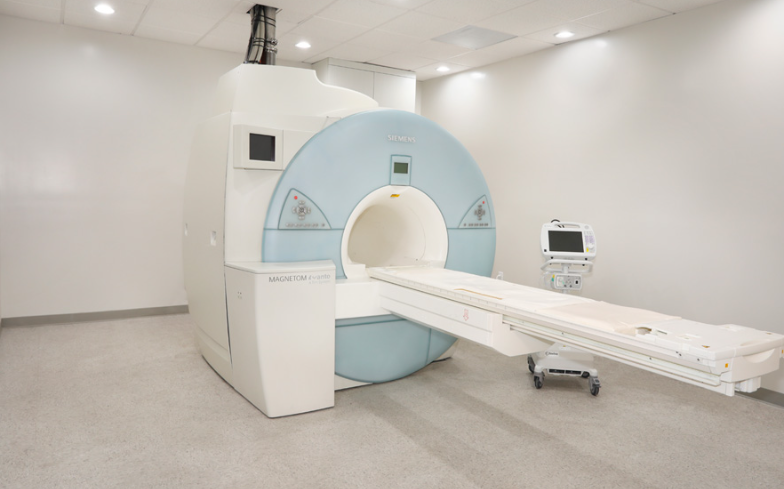
A veterinary neurologist may recommend advanced testing such as a brain MRI or cerebrospinal fluid (CSF) analysis to check for structural abnormalities, infections, or brain inflammation.

A veterinary internist is often consulted when seizures stem from complex metabolic, endocrine, hepatic, renal, or systemic disorders.

Why Choose CASE Animal Hospital

CASE Animal Hospital provides 24/7 emergency care for cats with seizures in Anaheim, including hospitalization, continuous monitoring, and critical care when needed.

When specialty care is required, Neurology, Internal Medicine, and Advanced Imaging are available in the same hospital for coordinated evaluation and treatment.

CASE Animal Hospital provides 24/7 emergency care for cats with seizures in Anaheim, including hospitalization, continuous monitoring, and critical care when needed.

Contact Our Emergency Team

📍 Visit Us: 1400 N Burton Pl, Anaheim, CA 92806

📞 Call Now: (657) 999-1150

🕒 Open 24/7 | ✅ Walk-ins welcome

Meet Our Emergency Staff

Dr. Sam Rafia, DVM - CASE Animal Hospital in Anaheim

Dr. Sam
Rafia

DVM, DVSC, ECFVG
Dr. Ali Haghnazary, DVM - CASE Animal Hospital in Anaheim

Dr. Ali
Haghnazary

DVM
Dr. Esther Yang, DVM - CASE Animal Hospital in Anaheim

Dr. Esther
Yang

DVM
Dr Cristina Winslow, DVM

Dr. Cristina
Winslow

DVM
Dr Cristina Guijon DVM

Dr. Cristina
Guijon

DVM
Dr Kyla Arreola DVM

Dr. Kyla
Arreola

DVM
Emergency Care

Frequently Asked Questions

If you have any additional questions, or wish to speak with someone, please contact our office today.

Yes. Some cats recover well after a seizure, but prognosis depends on the underlying cause, seizure duration and frequency, and the cat’s overall condition.

No. You can help keep your cat safe during a seizure, but home remedies cannot treat the seizure or its underlying cause. Contact a veterinarian for guidance after the episode.

Yes, a prolonged or repeated seizure can become life-threatening. The risk also depends on the underlying cause and your cat’s overall condition.

Normal sleep twitching is usually brief and occurs while your cat remains asleep, while seizures may involve more pronounced or repetitive movements, changes in awareness, or abnormal behavior afterward. If you are unsure, safely recording the episode can help your veterinarian evaluate what happened.

No. A single seizure does not mean your cat has epilepsy. Epilepsy involves recurrent, unprovoked seizures and requires veterinary evaluation to diagnose.

Dogs and Cats Helped

89,626

Immediate Emergency And Specialty Veterinary Care

Walk in 24/7 or Call 657-999-1150 Now

CASE Animal Hospital

1400 N Burton Pl
Anaheim, CA 92806
657-999-1150

Office Hours

Monday through Sunday
Open 24 Hours a Day