Cat Vomiting: Signs & When to Seek Emergency Care

Cat vomiting can be caused by minor issues, such as hairballs or eating too fast, or by serious medical problems, including intestinal blockages, toxic ingestion, or organ disease.

If your cat eats, drinks, and acts normally, a single vomiting episode, hairballs, or infrequent vomiting (< 1 per week) is generally not a cause for concern.

However, seek emergency veterinary care immediately if your cat vomits multiple times within a few hours, cannot keep water down, or collapses from severe weakness.

CASE Animal Hospital in Anaheim provides 24/7 walk-in emergency and critical care. Call (657) 999-1150 and come directly to our hospital at 1400 N Burton Pl, Anaheim, CA 92806.

When Cat Vomiting Is an Emergency

Seek immediate emergency veterinary care for any of the following warning signs:

(Click each symptom [✚] to learn what to look for.)

Fresh Blood: May appear as bright red streaks, pink-tinged liquid, or blood clots. Possible causes include stomach ulcers, digestive tract injuries, clotting disorders, or swallowed blood from the mouth or nose.

Dark “Coffee Grounds”: Presents as dark brown or black granular material. This appearance typically indicates partially digested blood from upper digestive tract bleeding, such as a severe bleeding ulcer.

Pay attention to how often your cat vomits, whether anything comes up, and whether diarrhea occurs at the same time.

Repeated Vomiting Within a Short Period: Vomiting three or more times in 24 hours is concerning, especially if your cat cannot keep water down.

Vomiting Accompanied by Diarrhea: Combined fluid loss can lead to dehydration and serious electrolyte imbalances, especially when episodes are frequent or severe.

Repeated Unproductive Retching: Your cat may repeatedly gag or heave as if trying to vomit, but bring up little or nothing. This can occur with an obstruction or another problem.

Changes in your cat’s responsiveness, posture, or breathing can signal a serious problem alongside vomiting.

Severe Weakness, Collapse, or Unresponsiveness

An inability to stand, sudden collapse, or little to no response to your voice or touch may indicate shock, dangerously low blood sugar, or poisoning.

Abdominal Pain or Swelling

A swollen, tense abdomen, vocalization or hissing when touched, or a persistent hunched posture may indicate abdominal pain or a serious underlying problem.

Breathing Difficulty

Labored, open-mouth, or unusually rapid breathing at rest can indicate a serious respiratory problem. Aspiration pneumonia from inhaled vomit is one possible cause.

Vomiting and Lethargy

Lethargy alongside vomiting may be associated with dehydration, digestive illness, or another underlying medical condition.

Dry or sticky gums and sunken eyes, alongside ongoing vomiting, can indicate dehydration requiring urgent treatment.

Known or suspected ingestion of string (linear foreign bodies), toxic plants (like true lilies and daylilies), human medications, or household cleaners requires immediate veterinary advice. Do not wait for symptoms to appear.

Kittens, seniors, and cats with underlying conditions such as diabetes, hyperthyroidism, or kidney disease need earlier veterinary assessment when vomiting occurs.

Call Us Now

657-999-1150

Visit Our Hospital

1400 N Burton Place
Anaheim, CA 92806

What to Do and NOT to Do in an Emergency

If your cat needs emergency care, bring them to our hospital in Anaheim, CA immediately. These steps can help you prepare, but do not delay leaving:

Call CASE Animal Hospital at (657) 999-1150 so our emergency team can prepare for your cat’s arrival.

Ask our staff whether to avoid feeding your cat before arrival, especially if your cat may have a blockage.

Bring a photo of the vomit or a small sample in a sealed container only if it is safe and will not delay your departure.

What NOT to Do

❌ Do not induce vomiting at home with hydrogen peroxide or salt.

❌ Do not give human medications unless your veterinarian specifically approves their use.

❌ Do not force your cat to eat or drink, as this can cause food or liquid to enter the lungs.

❌ Do not abruptly change your cat’s diet to treat vomiting unless your veterinarian advises it.

❌ Do not delay veterinary care if vomiting continues or returns.

What to Do If Your Cat Is Vomiting But Acting Normal

If your cat has mild vomiting but is otherwise acting normally and has no emergency warning signs, monitor them closely for any changes.

✓ Note when the vomiting started, how often it happens, and what it looks like.

✓ Note recent dietary changes or plant ingestion.

✓ Check whether your cat can eat, drink, and keep food or water down.

✓ Look for diarrhea, weakness, abdominal pain, constipation, or other unusual signs.

✓ Check for possible exposure to toxins, medications, string, or other foreign objects.

Sharing these observations with your veterinarian can help guide their assessment. However, to describe the episode accurately, you first need to distinguish vomiting from regurgitation.

Cat Regurgitation vs. Vomiting

Vomiting and regurgitation can look similar, but vomiting requires active, forceful heaving, whereas regurgitation is sudden and effortless.

The table below compares the effort, contents, and timing to help you tell them apart.

Feature Vomiting Regurgitation
Effort Forceful abdominal heaving and gagging. Sudden, passive, and effortless
Warning Signs (Nausea) Yes (drooling, lip-licking, or pacing) None (happens without warning)
Source Stomach or intestines Esophagus
Appearance & Shape Loose puddle of partially digested food or liquid Undigested food, often tubular or log-shaped
Bile (Yellow/green fluid) Often present Absent
Timing Anytime Usually right after eating

If you are unsure whether your cat is vomiting, regurgitating, or coughing, record a video if possible and show it to your veterinarian.

What Does Your Cat’s Vomit Look Like? (Color & Consistency Guide)

Vomit appearance can provide clues for your veterinarian, but you should never rely on it alone to diagnose the problem or guarantee your cat is safe.

Use this guide to identify what you see, and check the “When Cat Vomiting Is an Emergency” section above for warning signs and recommended actions.

(Click each icon [✚] to view details.)

⚠️ Emergency: These appearances often indicate internal bleeding. Please click Blood or Coffee-ground Vomiting to view the potential causes and immediate actions you must take.

Yellow fluid is typically bile, often seen after repeated vomiting has emptied the stomach. Because an underlying illness may cause both vomiting and loss of appetite, do not assume yellow vomit simply means your cat is hungry.

Bile can give vomit a green color, but the color alone does not reveal why your cat is vomiting. Tell your veterinarian what your cat recently ate, including any plants, to help them assess the possible cause.

Often occurs with stomach irritation or inflammation. Check whether it consists solely of foam or is mixed with food, hair, or liquid, as these specific details provide valuable clues for your vet.

Clear liquid may include water and stomach secretions. Record whether it appears shortly after drinking or at another time.

Undigested food may come up after eating too quickly or too much. Food that comes up without belly heaving, especially in a tube-like shape, suggests regurgitation rather than vomiting.

An occasional hairball may occur, particularly in long-haired cats. However, frequent or increasingly frequent hairballs can be associated with excessive grooming, skin disease, or gastrointestinal problems.

Mucus may appear as a slippery or stringy coating. It can occur with either vomiting or regurgitation, so its presence alone does not distinguish between them.

Roundworms can sometimes be visible in cat vomit. Take a photo or collect a sample in a sealed container, and contact your veterinarian for identification and appropriate treatment.

Cat Vomiting With Other Symptoms

While vomit appearance shows what your cat expelled, it does not reveal how the rest of their digestive system is functioning. Observing changes in appetite and bowel movements allows you to provide your veterinarian with additional clues to assess possible causes.

(Click each icon [✚] to view details.)

Vomiting with diarrhea may occur with digestive tract irritation or inflammation, dietary changes, or intestinal infections.

Nausea may reduce your cat’s appetite, but pain or an underlying illness can also cause them to stop eating.

Cats with severe constipation may vomit and have a reduced appetite. However, fewer bowel movements can also occur when a cat eats less. Look for hard, dry stools or difficulty passing stool, which may suggest constipation.

Contact your veterinarian promptly if your cat starts vomiting again, eats less than usual, or refuses food.

Why Is My Cat Vomiting?

Cats can vomit for many reasons, from mild digestive upset to more serious medical conditions. Common causes include:

Dietary Issues

Eating too quickly, overeating, sudden diet changes, food intolerance, or eating something unusual

Hairballs

Swallowed hair that accumulates in or irritates the stomach

Gastrointestinal problems

Gastroenteritis, inflammatory bowel disease (IBD), constipation, or intestinal parasites

Foreign objects

Swallowed string, thread, toys, or other objects that may cause a blockage

Toxins

Lilies, human medications, household chemicals, or other toxic substances

Underlying medical conditions

Kidney disease, liver disease, pancreatitis, hyperthyroidism, diabetes, or other illnesses

What Happens When You Arrive at CASE Animal Hospital

At CASE Animal Hospital, we promptly assess your cat’s condition and address any life-threatening problems. The next steps depend on how unwell your cat is and the suspected cause of vomiting.

We assess your cat’s breathing, circulation, temperature, hydration, and signs of pain or other urgent problems. If stabilization is needed, care may include IV fluids to correct dehydration or low circulating blood volume, oxygen for breathing difficulties, or warming support for a low body temperature.

Our veterinarian examines your cat and asks when the vomiting started, how often it occurs, and whether there are other symptoms. We also ask about possible exposure to toxins, medications, or swallowed objects.

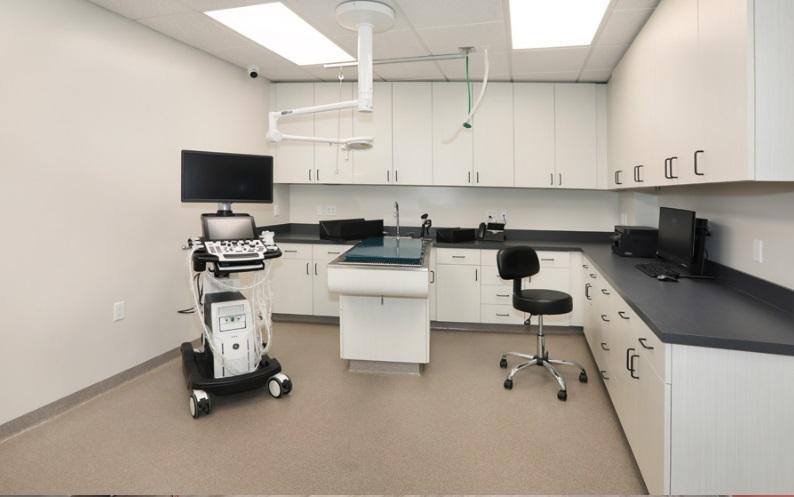
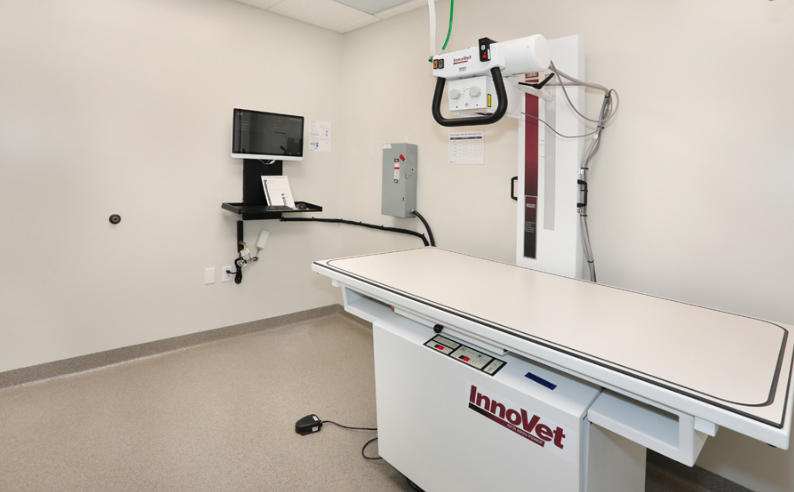
Based on the examination and suspected cause, testing may include bloodwork, urinalysis, X-rays, or ultrasound. Urgent treatment may begin while testing is underway.

Depending on your cat’s condition, care may include anti-vomiting medication, continued fluid therapy, pain relief if needed, or other interventions to address the immediate problem.

Cats that need continued treatment or close monitoring may be hospitalized. We monitor their condition and response to treatment and adjust care as needed.

When your cat is stable and well enough to continue recovery at home, we provide discharge instructions and a follow-up plan.

When to See a Specialist for Cat Vomiting

A specialist may help if your cat’s vomiting remains unexplained or persists despite treatment from your primary care veterinarian.

In addition, a veterinary specialist can help if your cat needs advanced diagnostic testing or has a condition that is difficult to manage.

Vomiting continues or keeps returning, and the cause remains unclear after an initial veterinary evaluation.

Vomiting persists despite treatment recommended by your primary veterinarian.

Your cat has a suspected or diagnosed condition that is difficult to manage or involves complications requiring specialist expertise.

Your veterinarian recommends endoscopy, biopsies, specialized imaging, or another procedure that is not available at their clinic.

Why Choose CASE Animal Hospital

CASE Animal Hospital provides 24/7 emergency, critical, and specialty veterinary care in Anaheim.

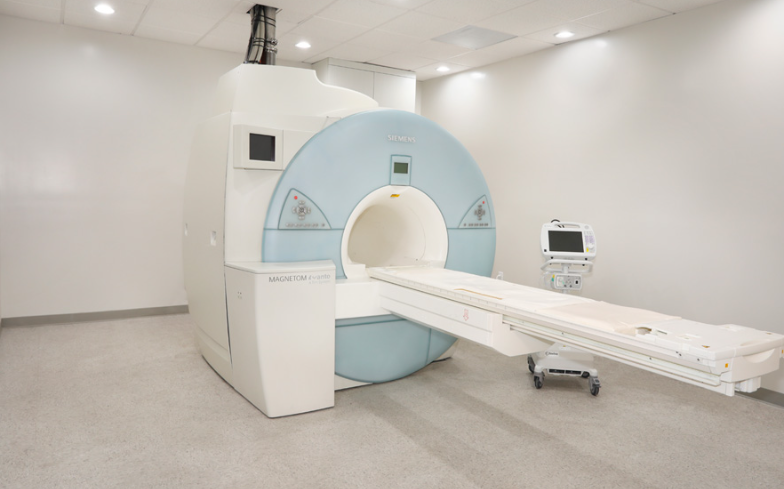
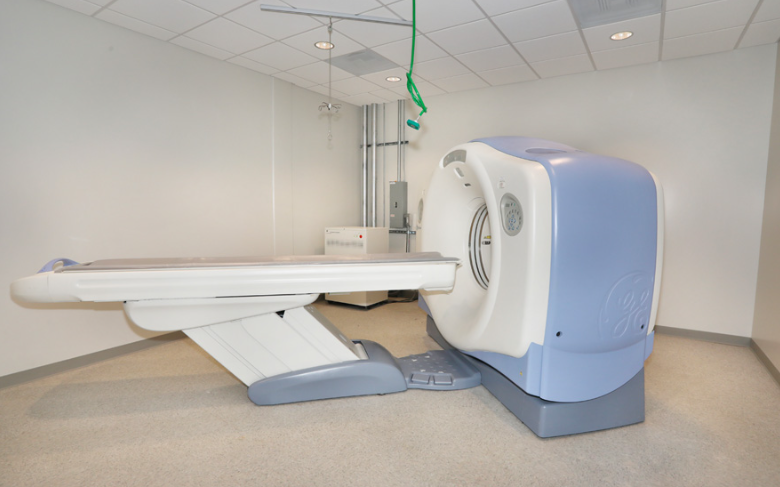
Our emergency team has access to advanced diagnostics and intensive care for cats with serious or persistent vomiting.

Emergency and specialty services are available under one roof when additional care is needed.

Contact Our Emergency Team

📍 Visit Us: 1400 N Burton Pl, Anaheim, CA 92806

📞 Call Now: (657) 999-1150

🕒 Open 24/7

✅ Walk-in emergencies welcome

Meet Our Emergency Staff

Dr. Sam Rafia, DVM - CASE Animal Hospital in Anaheim

Dr. Sam
Rafia

DVM, DVSC, ECFVG
Dr. Ali Haghnazary, DVM - CASE Animal Hospital in Anaheim

Dr. Ali
Haghnazary

DVM
Dr. Esther Yang, DVM - CASE Animal Hospital in Anaheim

Dr. Esther
Yang

DVM
Dr Cristina Winslow, DVM

Dr. Cristina
Winslow

DVM
Dr Cristina Guijon DVM

Dr. Cristina
Guijon

DVM
Dr Kyla Arreola DVM

Dr. Kyla
Arreola

DVM
Emergency Care

Frequently Asked Questions

If you have any additional questions, or wish to speak with someone, please contact our office today.

A single episode may sometimes be monitored at home if your cat is otherwise eating, drinking, and acting normally. Contact your veterinarian if vomiting continues, returns, or other concerning symptoms develop.

There is no single appearance that defines normal cat vomit. An occasional episode may contain a hairball, food, clear fluid, or yellow bile, depending on the cause.

Your cat may be okay after vomiting once if they remain alert, active, and able to eat and drink normally. They should return to their usual behavior without vomiting again or developing other symptoms.

Cats may bring up undigested food if they eat too quickly, overeat, or have a digestive problem. If the food comes up soon after eating without retching or abdominal contractions, it may be regurgitation rather than vomiting.

There is no exact number. Contact your veterinarian for frequent or recurring vomiting, and seek emergency care if your cat vomits repeatedly over a short period or cannot keep food or water down.

Dogs and Cats Helped

89,626

Immediate Emergency And Specialty Veterinary Care

Walk in 24/7 or Call 657-999-1150 Now

CASE Animal Hospital

1400 N Burton Pl
Anaheim, CA 92806
657-999-1150

Office Hours

Monday through Sunday
Open 24 Hours a Day