Cat Wheezing: Signs & When to Seek Emergency Care

Cat wheezing may sound like a whistling or raspy noise during breathing and may indicate airway or respiratory problems, including feline asthma.

Seek emergency veterinary care immediately if wheezing occurs with difficulty breathing, open-mouth breathing, blue or gray gums or tongue, collapse, or unresponsiveness.

CASE Animal Hospital provides 24/7 walk-in emergency care for cats with wheezing in Anaheim, CA. Call (657) 999-1150 or visit 1400 N Burton Pl.

CASE serves Anaheim Hills, Fullerton, Placentia, Yorba Linda, Garden Grove, and surrounding Orange County communities.

When Is Cat Wheezing an Emergency?

Wheezing becomes more concerning when your cat shows signs of respiratory distress. Check your cat’s breathing, posture, and gum or tongue color for the warning signs below.

(Click on each symptom [▼] to view details if you need to double-check your cat’s condition.)

Extreme weakness may leave your cat unable to stand, even while conscious. Sudden collapse or failure to respond to your voice or touch during a wheezing episode requires immediate emergency veterinary care.

Cats are obligate nasal breathers, meaning they normally breathe through their nose. Open-mouth breathing or panting with wheezing indicates their airways are severely compromised, forcing them to breathe through their mouth to take in enough oxygen.

Blue or gray gums or tongue can indicate inadequate oxygen in the bloodstream. Abnormally pale or white gums may occur if your cat has poor circulation or is going into shock.

Watch your cat’s chest and abdomen while they breathe. Strong abdominal movement, labored breathing, or visible effort with each breath can indicate respiratory distress. Normally, a cat’s chest expands smoothly. When their airways are narrowed, they must use abdominal muscles to push air in and out of the lungs.

A cat struggling to breathe may crouch low or extend the head and neck forward. This posture, known as orthopnea, can help straighten the windpipe and maximize airflow. These postures, especially with wheezing or visible breathing effort, can signal a respiratory emergency.

A relaxed cat typically breathes 20–30 times per minute. A resting breathing rate consistently above 40 breaths per minute is abnormal.

Count your cat’s breaths while they are resting or sleeping, not after exercise or during stress. Tracking your cat’s Sleeping Respiratory Rate (SRR) provides a baseline to detect early changes in breathing.

When Every Minute Matters, We Never Leave Their Side. Do not wait. Call 657-999-1150 and head directly to CASE Animal Hospital. Our emergency team stands ready to save your cat’s life.

What Should You Do During a Wheezing Episode?

If your cat is wheezing, first determine whether they are breathing comfortably or need immediate veterinary care.

1. Check Your Cat’s Breathing

Observe your cat from a short distance and determine whether they appear to be breathing comfortably or showing signs of respiratory distress.

2. If Breathing Is Difficult, Seek Emergency Care

If your cat is struggling to breathe or shows other emergency warning signs, bring them to CASE Animal Hospital for 24/7 emergency care or call (657) 999-1150.

3. If Breathing Is Comfortable, Keep Your Cat Calm

Keep your cat in a quiet area and avoid unnecessary handling or activity that could increase stress.

4. Remove Obvious Airborne Irritants

Move your cat away from cigarette smoke, perfumes, aerosol sprays, cleaning fumes, or other obvious airborne irritants without causing additional stress.

5. Contact Your Primary Veterinarian

If your cat is breathing comfortably but the wheezing continues or returns, contact your primary veterinarian for an evaluation.

What Not to Do

❌ Do not restrain your cat unnecessarily.

❌ Do not force food or water.

❌ Do not give human medications.

❌ Do not rely on home remedies to treat breathing problems.

❌ Do not delay emergency care if breathing becomes difficult.

Call Us Now

657-999-1150

Visit Our Hospital

1400 N Burton Place
Anaheim, CA 92806

What If Your Cat Is Wheezing With Other Symptoms?

If no emergency warning signs are present, note whether the wheezing occurs alongside coughing, dry heaving, congestion, or sneezing. These signs can provide useful clues, but they cannot identify the exact cause of your cat’s wheezing.

Coughing with wheezing may point to a problem in the lower airways, although coughing in cats is often mistaken for trying to bring up a hairball.

What looks like dry heaving while your cat is wheezing may actually be coughing or gagging. These behaviors can look similar, making them difficult to distinguish at home.

Nasal congestion and noisy nasal breathing usually involve the upper respiratory tract and can be mistaken for wheezing, while true wheezing is associated with narrowed lower airways.

Sneezing usually results from irritation of the nasal passages in the upper respiratory tract, while wheezing typically occurs when air moves through narrowed lower airways, such as the bronchi.

While these accompanying symptoms provide helpful clues, they only tell part of the story. To truly understand what your cat is experiencing, we must look at what is happening inside their airways.

Why Is My Cat Wheezing?

Wheezing occurs when airflow becomes narrowed or obstructed. Several conditions can cause this, so wheezing alone cannot identify the underlying cause.

Possible causes include:

Feline asthma causes inflammation and narrowing of the lower airways. When these airways tighten, airflow becomes restricted and can produce wheezing. Triggers may include smoke, dusty litter, household sprays, pollen, or mold.

Bronchitis can cause the lining of the lower airways to become swollen and produce excess mucus. This narrows the airways and can make it harder for air to move through them, resulting in wheezing.

Respiratory infections can affect the airways and lungs, causing noisy or difficult breathing. They may also occur with signs such as sneezing, nasal discharge, congestion, or reduced appetite.

Foreign material or another airway obstruction can partially restrict airflow, causing wheezing or other abnormal breathing sounds.

Some heart, lung, or chest conditions may cause breathing difficulty or abnormal respiratory sounds that can be mistaken for wheezing. Examples include pleural effusion, heart failure, and other lung diseases.

What to Do Next

Because the causes of wheezing range from manageable allergies to life-threatening conditions, an accurate diagnosis is critical. If wheezing or accompanying symptoms persist or recur, have your cat evaluated by a veterinarian to determine the exact underlying cause.

What Happens When You Arrive at CASE Animal Hospital

When your cat arrives at CASE Animal Hospital with wheezing or breathing difficulty, the emergency team will assess their condition and provide stabilization if needed.

The emergency team will assess your cat for respiratory distress and other life-threatening problems, including:

  • Breathing effort
  • Gum color
  • Heart rate
  • Alertness and overall condition

Cats with severe breathing difficulty are prioritized for immediate care.

If your cat is struggling to breathe, stabilization takes priority while unnecessary handling and stress are minimized.

Care may include:

  • Supplemental oxygen
  • Medications to support breathing
  • Emergency procedures when clinically necessary

If fluid or air around the lungs is interfering with breathing, it may need to be removed before further testing.

Once your cat is stable enough for further evaluation, diagnostic testing may be used to identify the underlying cause. Depending on the examination findings, this may include:

  • Blood work
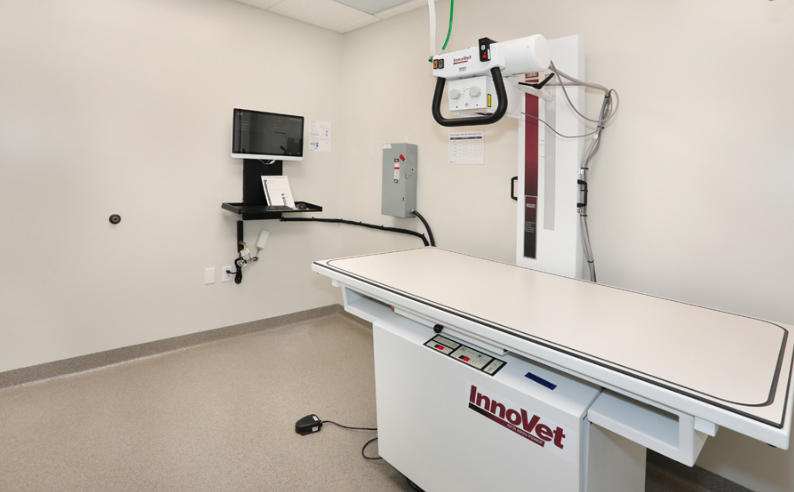
  • Chest X-rays
  • Ultrasound
  • Additional tests when clinically indicated

Treatment depends on the underlying cause and severity. For example:

Airway inflammation or narrowing: Medications may help reduce inflammation or improve airflow.

Fluid around the lungs: Drainage and treatment of the underlying condition may be needed.

Other causes: Treatment is tailored to your cat’s diagnosis and condition.

Cats with serious respiratory problems may need hospitalization for:

  • Continued oxygen support
  • Ongoing treatment
  • Close monitoring of breathing and overall condition
  • Treatment adjustments based on response

When to Consider Specialty Veterinary Care

A cat can appear normal between wheezing episodes, but persistent or recurring wheezing should not be ignored.

Once your cat is stable, your primary veterinarian or our emergency team may recommend specialty care if:

Emergency care successfully stabilizes acute crises, but managing chronic conditions like severe feline asthma requires a tailored, ongoing treatment plan to prevent future attacks.

While baseline imaging effectively rules out immediate life-threatening issues, pinpointing the exact nature of airway inflammation sometimes requires advanced tools like bronchoscopy or CT scans.

Your cat continues to experience recurring wheezing episodes despite standard medical therapies, requiring a specialist’s intervention to improve their quality of life.

Why Choose CASE Animal Hospital

CASE Animal Hospital provides 24/7 emergency and specialty veterinary care under one roof for cats with wheezing and other breathing concerns in Anaheim.

By housing both emergency doctors and board-certified specialists, we eliminate the stress of transferring your cat to another hospital.

We seamlessly handle everything from life-saving oxygen therapy to long-term disease management with our Internal Medicine and Cardiology teams.

Contact Our Emergency Team

📍 Visit Us: 1400 N Burton Pl, Anaheim, CA 92806

📞 Call Now: (657) 999-1150

🕒 Open 24/7 | ✅ Walk-ins welcome

Meet Our Emergency Staff

Dr. Sam Rafia, DVM - CASE Animal Hospital in Anaheim

Dr. Sam
Rafia

DVM, DVSC, ECFVG
Dr. Ali Haghnazary, DVM - CASE Animal Hospital in Anaheim

Dr. Ali
Haghnazary

DVM
Dr. Esther Yang, DVM - CASE Animal Hospital in Anaheim

Dr. Esther
Yang

DVM
Dr Cristina Winslow, DVM

Dr. Cristina
Winslow

DVM
Dr Cristina Guijon DVM

Dr. Cristina
Guijon

DVM
Dr Kyla Arreola DVM

Dr. Kyla
Arreola

DVM
Emergency Care

Frequently Asked Questions

If you have any additional questions, or wish to speak with someone, please contact our office today.

Wheezing may become more noticeable while your cat sleeps if their airways are already narrowed or inflamed. During sleep, changes in muscle tone and body position can further restrict airflow through these airways, making the wheezing easier to hear.

Purring creates rhythmic vibrations as air moves through the larynx. If your cat’s airways are narrowed or inflamed, airflow during purring may become restricted, producing a high-pitched whistling sound. This can make wheezing more noticeable while your cat purrs.

Wheezing after eating may occur if food particles or kibble dust enter or irritate your cat’s airway. This can trigger an airway reflex that temporarily narrows airflow, causing a wheezing sound.

Playing increases your cat’s breathing rate and demand for airflow. If the airways are already narrowed or inflamed, the increased airflow during activity can make wheezing more noticeable.

Even a brief wheezing episode should not be ignored, especially if it happens repeatedly. Short episodes can occur with airway irritation or conditions such as feline asthma, even if your cat seems normal afterward.

Dogs and Cats Helped

89,626

Immediate Emergency And Specialty Veterinary Care

Walk in 24/7 or Call 657-999-1150 Now

CASE Animal Hospital

1400 N Burton Pl
Anaheim, CA 92806
657-999-1150

Office Hours

Monday through Sunday
Open 24 Hours a Day