Dog Bloat: Signs, Symptoms & Emergency Vet Care
Dog bloat occurs when the stomach becomes enlarged with gas, food, or fluid, causing the abdomen to become swollen or distended.
When the enlarged stomach twists, the condition is called gastric dilatation-volvulus (GDV), a life-threatening emergency that requires immediate veterinary care.
Not every swollen abdomen is caused by GDV. If your dog has mild or unexplained abdominal swelling but is otherwise comfortable and acting normally, contact your veterinarian for guidance.
A swollen abdomen accompanied by repeated attempts to vomit, severe pain, breathing difficulty, or collapse may indicate GDV. Seek emergency veterinary care immediately.
CASE Animal Hospital provides 24/7 walk-in emergency and critical care in Anaheim. Call (657) 999-1150 or come directly to 1400 N Burton Pl, Anaheim, CA 92806.
Signs of GDV in Dogs
GDV can cause sudden and rapidly worsening symptoms. Warning signs may include:
Early Signs of Distress
Retching & Abdominal Signs
Signs of Shock or Collapse
If your dog has these signs, seek emergency veterinary care immediately. Do not wait for advanced symptoms to appear or for your dog’s condition to worsen.
What to Do If You Suspect GDV
If your dog has signs that could indicate GDV, seek emergency veterinary care immediately.
🟥 Call CASE Animal Hospital immediately.
🟥 Keep your dog calm and gently help them into the car.
🟥 If possible, have someone else drive so you can stay with your dog during transport.
What Not to Do If Your Dog Has Bloat
Avoid these common mistakes, as they may delay life-saving treatment.
❌ Do not wait to see if symptoms improve.
❌ Do not offer food or water.
❌ Do not give medications unless instructed by a veterinarian.
❌ Do not massage or press on your dog’s abdomen.
❌ Do not try to release the gas yourself.
❌ Do not assume your dog is safe just because they can still walk.
How Quickly Can GDV Progress in Dogs?
GDV can worsen within minutes to hours. As the stomach expands and twists, restricted blood flow can lead to shock, tissue damage, and other life-threatening complications.
There is no predictable timeline or safe waiting period. Some dogs can deteriorate rapidly, even if they appear relatively stable at first. If you suspect GDV, seek emergency veterinary care immediately.
What Happens When You Arrive at the Emergency Vet
When you arrive, our emergency team will begin evaluating your dog and provide treatment based on their condition.
Our first priority is to identify life-threatening problems, stabilize your dog, and determine whether gastric dilation or GDV is present.
GDV Risk Factors
The exact cause of GDV is not always known, but several factors have been associated with an increased risk.
Common Risk Factors
Breeds at Higher Risk
GDV can occur in any breed. Having one or more risk factors does not mean a dog will develop GDV.
Can Dog Bloat Be Prevented?
Not every case of GDV can be prevented, but certain steps may help reduce risk. Depending on your dog’s individual risk factors, your veterinarian may recommend:
For dogs at higher risk of GDV, preventive gastropexy can significantly reduce the risk of the stomach twisting.
Is Your Dog at Risk for GDV? Learn more about veterinary specialty care and preventive gastropexy for high-risk dogs.
Why Choose CASE Animal Hospital
When your dog may have bloat or GDV, quick access to emergency evaluation and treatment matters. CASE Animal Hospital provides:
✅ 24/7 emergency & critical care
✅ Walk-in emergency care
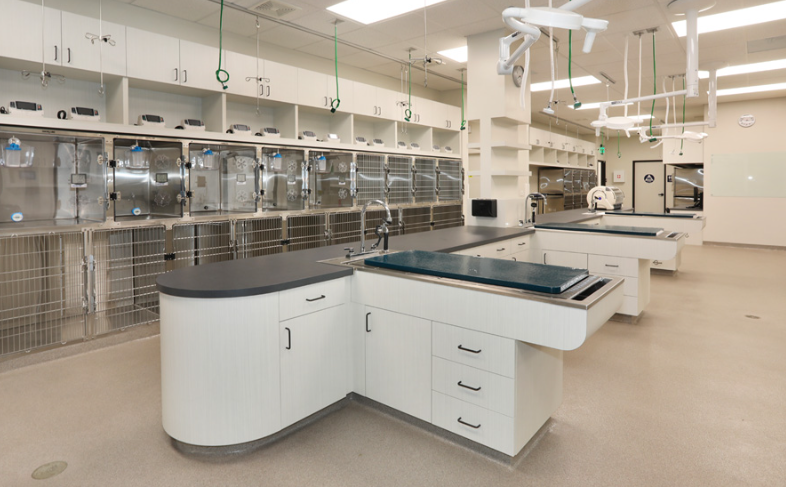
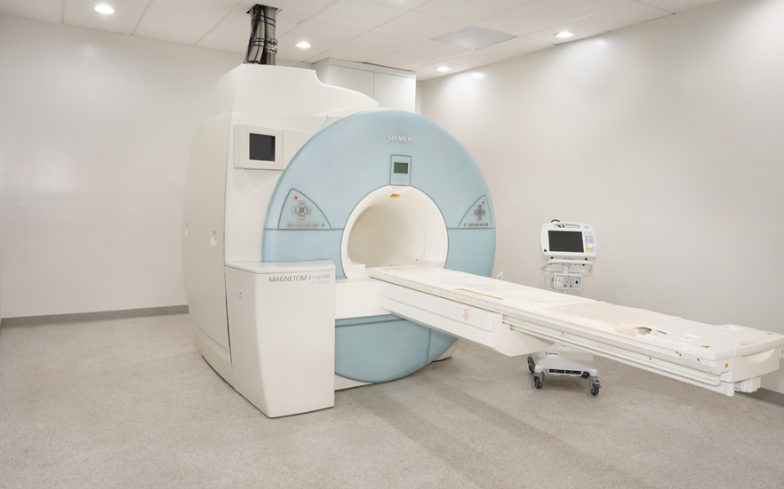
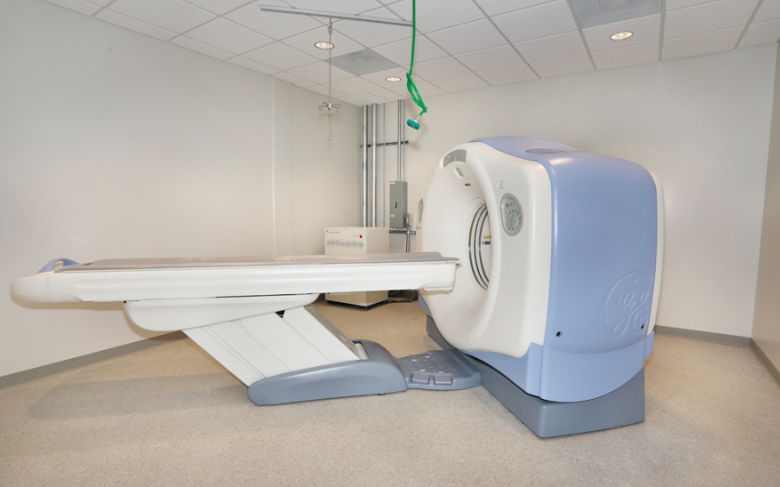
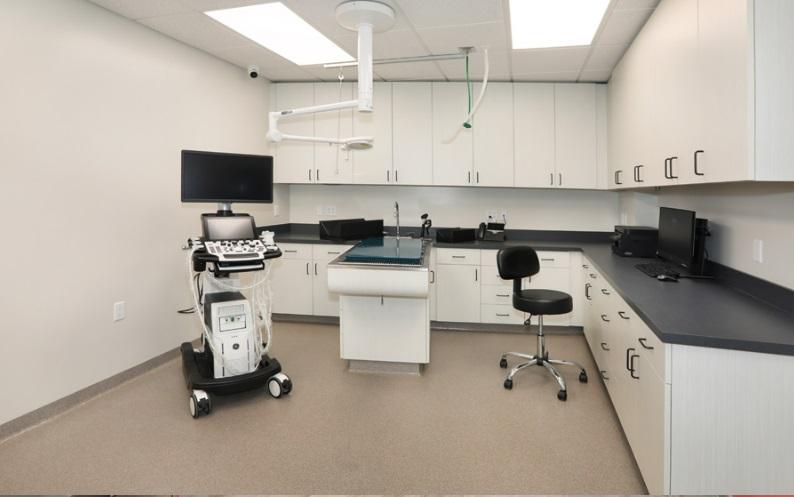
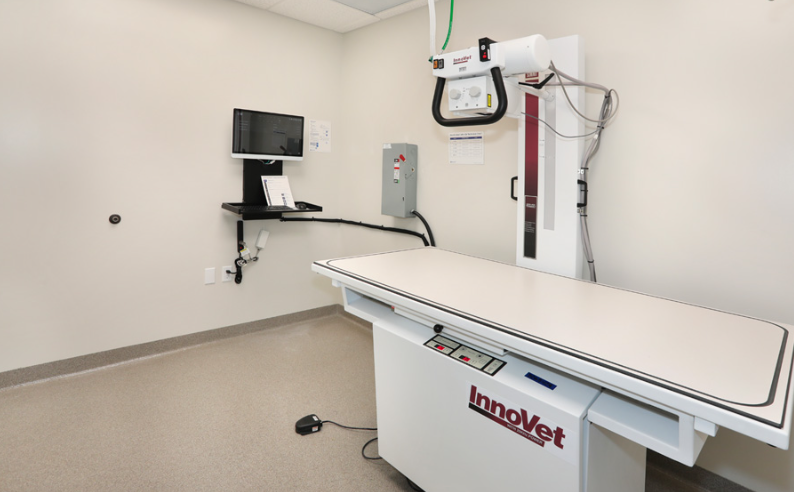
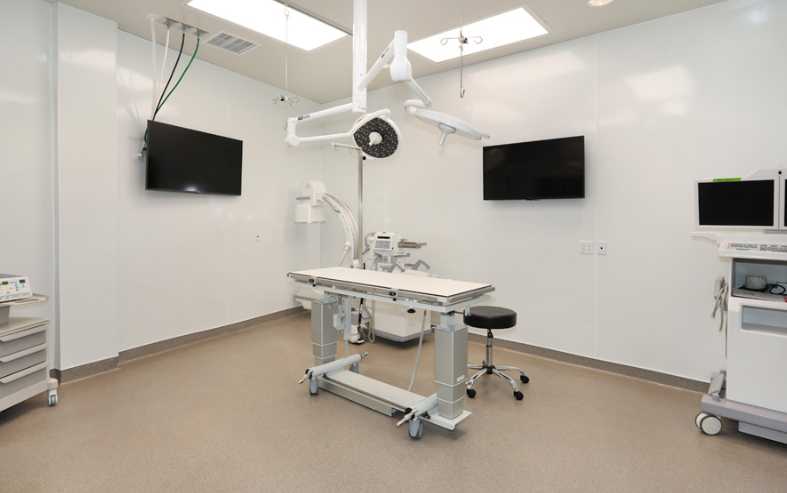
✅ On-site diagnostics and emergency surgery
✅ Continuous monitoring and hospitalization
Need Emergency Care Now?
📞 Call: (657) 999-1150
📍 Visit: 1400 N Burton Pl, Anaheim, CA 92806
🕒 Open 24/7 — Walk-ins welcome
Emergency Care
Frequently Asked Questions
If you have any additional questions, or wish to speak with someone, please contact our office today.
Dogs and Cats Helped
89,626
Immediate Emergency And Specialty Veterinary Care
Walk in 24/7 or Call 657-999-1150 Now
CASE Animal Hospital
1400 N Burton Pl
Anaheim, CA 92806
657-999-1150
Office Hours
Monday through Sunday
Open 24 Hours a Day