Dog Bloody Diarrhea: Signs, What to Do & Treatment

Bloody diarrhea can have many causes, including AHDS, parvovirus, intestinal obstruction, or toxin ingestion.

If your dog remains bright and alert, eats and drinks normally, and has no other concerning symptoms, call your regular veterinarian for guidance.

Seek emergency veterinary care immediately for repeated vomiting, severe lethargy, weakness or collapse, pale or white gums, or abdominal pain or swelling.

CASE Animal Hospital provides 24/7 walk-in emergency and critical care. Call (657) 999-1150 and come directly to our hospital at 1400 N Burton Pl, Anaheim, CA 92806.

Emergency Warning Signs With Bloody Diarrhea

Seek emergency veterinary care if your dog has bloody diarrhea with any of the following warning signs:

General Warning Signs

  • Severe Weakness or Collapse
  • Pale or White Gums

  • Severe Lethargy
  • Difficulty Breathing

Digestive Warning Signs

  • Repeated or Severe Vomiting

  • Large or Increasing Amounts of Blood
  • Black, Tarry Stool

  • Severe Abdominal Pain or Swelling

⚠️ Higher-Risk Dogs

Puppies, senior dogs, and dogs with chronic medical conditions may be more vulnerable to dehydration and complications.

Unvaccinated dogs may also be at greater risk from serious infections such as parvovirus.

Contact your regular veterinarian promptly if a higher-risk dog develops bloody diarrhea, even if they otherwise appear well.

What Does Bloody Diarrhea Look Like in Dogs?

Bloody diarrhea does not always look the same. The blood may appear bright red or dark and tarry, while the diarrhea may be watery, mucus-coated, or yellow.

These details can help your veterinarian evaluate where the bleeding may be coming from and what may be causing it.

Bright red streaks, drops, or blood mixed with diarrhea are called hematochezia. The bright red color usually indicates fresh bleeding, often from the lower digestive tract such as the colon or rectum.

Watery bloody diarrhea appears as very loose or liquid stool mixed with streaks, drops, or larger amounts of blood. Frequent watery diarrhea can cause rapid fluid loss and increase the risk of dehydration, especially when accompanied by vomiting or reduced water intake.

Black, sticky, or tar-like stool can contain digested blood, known as melena. The dark color develops as blood passes through the digestive tract and may indicate bleeding higher in the stomach or intestines.

Mucus may make diarrhea look slimy, jelly-like, or coated, sometimes with streaks of bright red blood. Blood and mucus can occur when the colon is irritated or inflamed.

Yellow bloody diarrhea may appear as loose or watery yellow stool with bright red streaks, spots, or blood mixed throughout it. The yellow color can occur when stool moves through the digestive tract too quickly for bile to be fully broken down.

What Causes Bloody Diarrhea in Dogs?

Bloody diarrhea is a symptom, not a diagnosis. It can result from many different conditions, ranging from mild digestive problems to life-threatening medical emergencies.

Dietary Problems

Spoiled food, garbage, or sudden diet changes can irritate the digestive tract and cause bloody diarrhea.

Parasites & Infections

Intestinal parasites such as hookworms, whipworms, and Giardia, or infections like parvovirus, can cause bloody diarrhea.

Digestive Diseases

These include Acute Hemorrhagic Diarrhea Syndrome (AHDS), colitis, inflammatory bowel disease, and gastrointestinal ulcers.

Other Medical Emergencies

Intestinal obstruction, toxin ingestion, and bleeding or clotting disorders.

Because these conditions can cause similar symptoms, you can’t determine the underlying cause at home. A veterinarian can determine the cause and appropriate treatment.

What Should You Do If Your Dog Has Bloody Diarrhea?

 If Your Dog Is Otherwise Acting Normally

If your dog is otherwise acting normally, note the following information and call your regular veterinarian for guidance:

✓ When the bloody diarrhea started

✓ How often it has occurred

✓ How much blood you see

✓ Whether this has happened before

✓ Any changes in appetite, energy, or behavior

If Your Dog Has Emergency Warning Signs

Call CASE Animal Hospital at (657) 999-1150 and come directly to our 24/7 emergency hospital in Anaheim.

Before Coming to CASE Animal Hospital

Stool sample: Bring a fresh sample if possible, but do not delay emergency care to collect one.

Relevant history: Be ready to share recent diet changes, possible toxin or foreign-object exposure, current medications, and vaccination history.

Medications: Do not give Pepto-Bismol, Imodium, aspirin, ibuprofen, or other human medications unless instructed by a veterinarian.

Call Us Now

657-999-1150

Visit Our Hospital

1400 N Burton Place
Anaheim, CA 92806

What Happens When You Arrive at CASE Animal Hospital

When you arrive at CASE Animal Hospital, our emergency team will assess your dog and prioritize any immediate, life-threatening problems.

Your dog will receive a rapid assessment to check for life-threatening problems, including:

– Airway, breathing, and circulation

– Hydration and signs of shock

– Heart rate and blood pressure

– Pain level

– The severity of the bleeding

If your dog is critically ill, emergency treatment will begin immediately.

If your dog is dehydrated, in shock, or unstable, treatment will focus on stabilizing their condition before additional testing.

Depending on your dog’s condition, stabilization may include:

– IV catheter placement

– Intravenous fluid therapy

– Oxygen therapy

– Pain management

– Anti-nausea medication

– Blood transfusion, if needed

Once your dog is stable enough, your veterinarian may recommend tests to identify the underlying cause of the bloody diarrhea.

These may include:

– Bloodwork

– Fecal testing

– Parvovirus testing, when appropriate

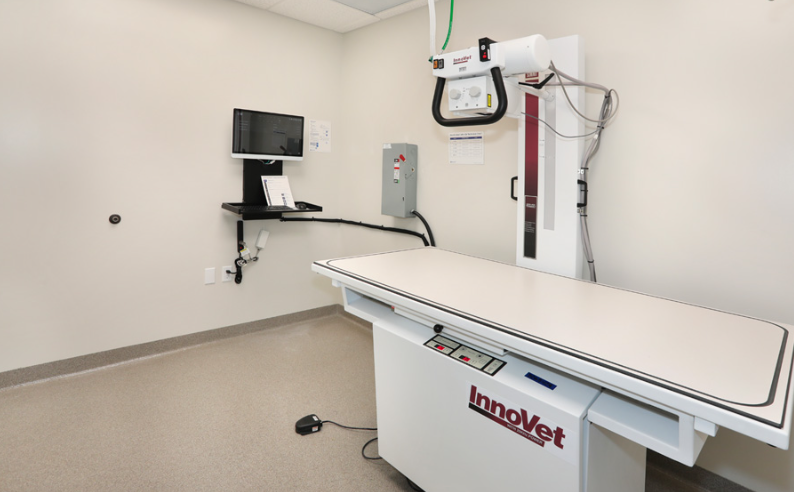
– Digital X-rays

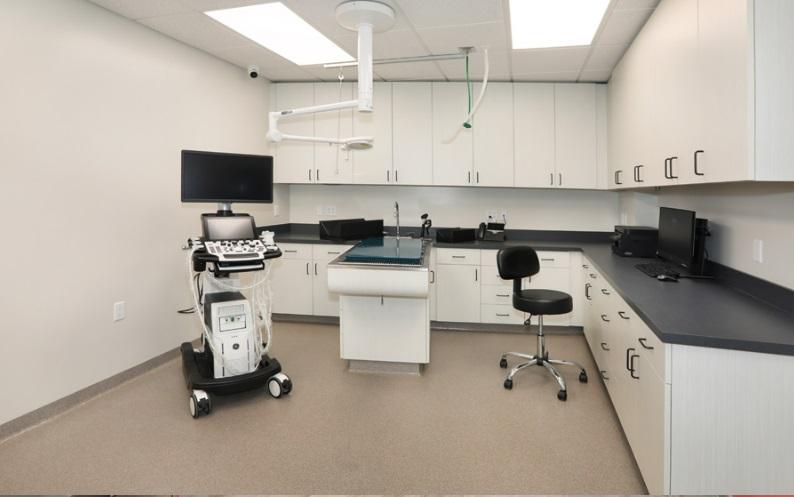
– Abdominal ultrasound

– Blood pressure and ECG monitoring

Treatment will be tailored to your dog’s condition and the suspected or confirmed underlying cause.

Treatment may include:

– Continued IV fluid therapy

– Gastrointestinal medications

– Antibiotics, when indicated

– Deworming medication

– Emergency surgery for an intestinal obstruction or other surgical condition

Some dogs with severe dehydration, shock, ongoing bleeding, or other life-threatening complications may need to be hospitalized for intensive care.

During hospitalization, our team provides continuous monitoring of your dog’s vital signs, hydration, pain level, and response to treatment. Therapy is adjusted as your dog’s condition changes to support the best possible recovery.

Why Choose CASE Animal Hospital

CASE Animal Hospital provides 24/7 emergency, critical, and specialty veterinary care under one roof in Anaheim, so your dog can receive immediate treatment without delays caused by transfers between hospitals.

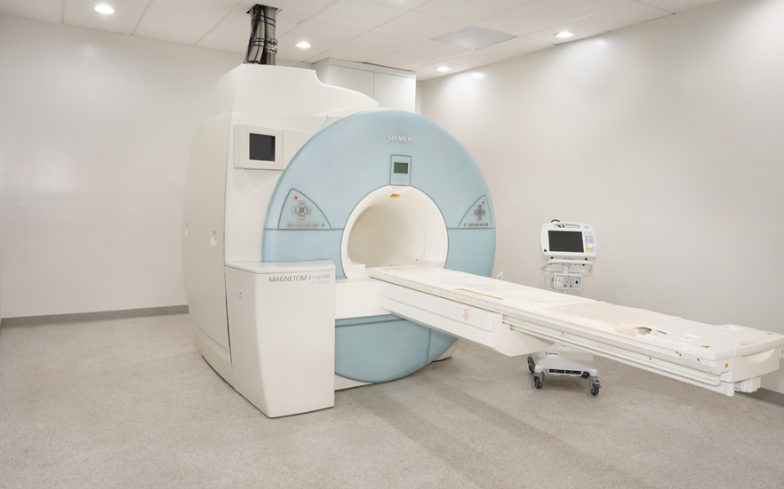
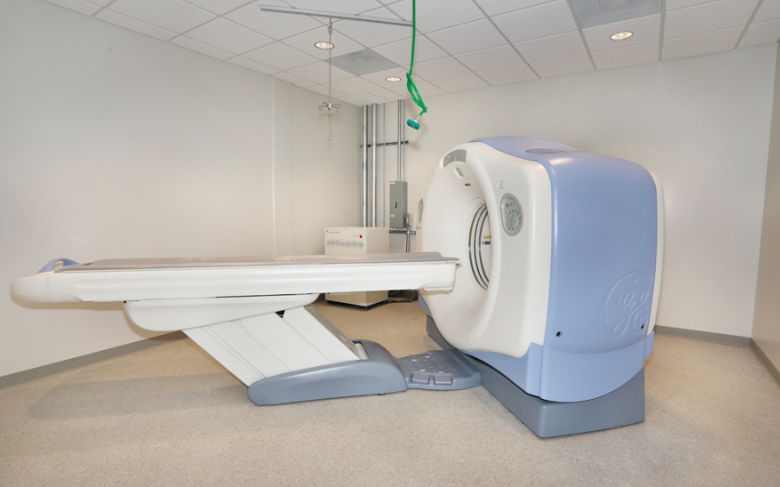
Our emergency veterinarians and board-certified specialists provide advanced diagnostic testing to quickly identify the cause of bloody diarrhea.

When needed, dogs receive emergency surgery, intensive care, and continuous ICU monitoring for life-threatening gastrointestinal emergencies.

Contact Our Emergency Team

📍 Visit Us: 1400 N Burton Pl, Anaheim, CA 92806

📞 Call Now: (657) 999-1150

🕒 Open 24/7

✅ Walk-in emergencies welcome
Meet Our Emergency Staff

Dr. Sam Rafia, DVM - CASE Animal Hospital in Anaheim

Dr. Sam
Rafia

DVM, DVSC, ECFVG
Dr. Ali Haghnazary, DVM - CASE Animal Hospital in Anaheim

Dr. Ali
Haghnazary

DVM
Dr. Esther Yang, DVM - CASE Animal Hospital in Anaheim

Dr. Esther
Yang

DVM
Dr Cristina Winslow, DVM

Dr. Cristina
Winslow

DVM
Dr Cristina Guijon DVM

Dr. Cristina
Guijon

DVM
Dr Kyla Arreola DVM

Dr. Kyla
Arreola

DVM
Emergency Care

Frequently Asked Questions

If you have any additional questions, or wish to speak with someone, please contact our office today.

Yes. A dog may still eat, drink, and behave normally early in an illness. Normal behavior does not rule out a serious underlying condition, and other symptoms may develop later. Contact your regular veterinarian for guidance even if your dog still seems well.

Some mild cases of bloody diarrhea may resolve on their own, but you should not assume the bleeding will go away without veterinary care.

Contact your veterinarian for guidance, especially if the diarrhea continues, worsens, or your dog develops other concerning symptoms.

Do not wait until morning if your dog has emergency warning signs. Seek emergency veterinary care immediately. If your dog needs emergency care overnight, call CASE Animal Hospital at (657) 999-1150 and come directly to our 24/7 emergency hospital in Anaheim.

Bloody diarrhea with repeated vomiting is especially concerning because your dog can lose fluids quickly and become dehydrated.

Seek emergency veterinary care, especially if your dog is weak, has pale gums, or cannot keep water down.

Do not try to treat bloody diarrhea at home without veterinary guidance because the underlying cause can range from mild digestive irritation to a serious medical condition.

Call your regular veterinarian for guidance if your dog otherwise appears well. If your dog has emergency warning signs, seek emergency veterinary care immediately.

Dogs and Cats Helped

89,626

Immediate Emergency And Specialty Veterinary Care

Walk in 24/7 or Call 657-999-1150 Now

CASE Animal Hospital

1400 N Burton Pl
Anaheim, CA 92806
657-999-1150

Office Hours

Monday through Sunday
Open 24 Hours a Day