24/7 Emergency Vet for Dog Vomiting: When to Seek Care in Anaheim

Seek immediate veterinary care if your dog vomits continuously (or more than 3 times within 24 hours), vomits blood, cannot keep water down, develops extreme weakness, or has a bloated abdomen.

For 24/7 emergency care in Anaheim, contact CASE Animal Hospital at 1400 N. Burton Pl or call (657) 999-1150.

At CASE Animal Hospital, our emergency team quickly evaluates, triages, and stabilizes dogs with vomiting and other emergency symptoms.

We give IV fluids to address dehydration and administer anti-nausea medications to control vomiting.

We use in-house diagnostic testing and imaging to identify the cause of vomiting and guide targeted treatment, including gastroprotectants, antibiotics, or emergency surgery.

For serious conditions such as parvovirus, acute pancreatitis, or intestinal blockages, we provide continuous ICU monitoring and advanced supportive care.

We accept walk-in emergencies 24/7 from Anaheim, Fullerton, and surrounding Orange County communities.

What to Do Before an Emergency Vet Visit for Dog Vomiting

We know this situation feels stressful, but our emergency team is here to help. Follow these important steps before bringing your dog to CASE Animal Hospital for emergency care:

1. Limit Food and Water

Withhold Food & Treats: Do not feed your dog before the visit. An empty stomach helps reduce further vomiting and improves safety if emergency anesthesia is needed.

Monitor Vulnerable Pets: Watch puppies and small breeds closely, as they dehydrate much faster than larger dogs.

Control Water Intake: If your dog has stopped vomiting for a while, offer a few ice cubes or very small sips of water. Do not let them gulp large amounts, as this triggers more vomiting.

2. Record Symptoms and Gather Evidence

Take note of when the vomiting started, how often it occurs, and whether your dog also has diarrhea, weakness, or abdominal pain.

If possible, take a photo of the vomit or bring a small sample to help our team evaluate your dog more efficiently.

3. Check for Possible Toxins

Search your home for chewed pill bottles, missing medications, spilled cleaning products, or torn toys.

Bring any damaged packaging or containers with you if possible.

This information can help our veterinary team identify potential toxins and begin appropriate treatment quickly.

4. Call Ahead and Transport Your Dog Safely

Call CASE Animal Hospital before leaving to help our emergency team prepare for your arrival. If possible, ask someone else to drive while you monitor your dog during transport.

Bring your dog on a leash or in a secure carrier, along with any current medications or medical records.

When to Take Your Dog to the Emergency Vet for Vomiting

Not all vomiting is an emergency, but severe symptoms require immediate action. Seek immediate veterinary care at CASE Animal Hospital if you notice any of these warning signs:

(Click on each symptom [▼] to view details if you need to double-check your dog’s condition.)

Repeated episodes rapidly lead to dangerous dehydration and electrolyte imbalances. Our team provides immediate IV fluid therapy and fast-acting anti-nausea medications.

If you suspect your dog ate poison, bring the product packaging with you. We rapidly identify the toxin and begin specific detoxification and treatment protocols.

Trapped items easily puncture the intestines or create dangerous blockages. We perform emergency diagnostic imaging to locate the object and safely remove it.

Young puppies, elderly dogs, and pets with pre-existing illnesses lack the reserves to handle sudden fluid loss. For these highly vulnerable pets, even mild vomiting warrants prompt medical care to prevent a rapid crash.

Unproductive retching, combined with a hard or bloated abdomen, points to a twisted stomach (GDV/Bloat)—a critical surgical emergency that requires immediate intervention.

A high body temperature alongside vomiting strongly suggests a serious bacterial or viral infection. We run rapid diagnostic tests to identify the pathogen and begin targeted care.

Vomiting immediately following a bite or sting is a major red flag for a severe allergic reaction (anaphylaxis) or envenomation that requires rapid stabilization.

Pale gums, inability to stand, or seizures indicate your dog is going into shock or experiencing a metabolic crisis requiring life-saving support.

Red blood or dark, granular material often indicates gastrointestinal bleeding or severe stomach ulcers. We urgently locate the source of the bleeding and stabilize your dog.

When vomiting and diarrhea occur at the same time, dogs face a significantly higher risk of dehydration. Ongoing fluid loss quickly leads to electrolyte imbalances, weakness, and, in severe cases, shock. We recommend prompt veterinary evaluation to restore hydration and prevent further complications.

Vomiting together with bloody stool often indicates a severe gastrointestinal condition such as acute hemorrhagic diarrhea syndrome (AHDS), parvovirus, toxin exposure, or internal bleeding. These conditions progress rapidly and require urgent medical attention. We strongly recommend immediate emergency evaluation.

Shaking, trembling, or muscle tremors alongside vomiting often accompany severe pain, toxin exposure, poisoning, shock, or metabolic disease. If your dog appears distressed, weak, or unable to settle down, seek emergency veterinary care immediately. Our team provides rapid diagnostics and stabilization to identify the underlying cause and begin treatment.

When Every Minute Matters, We Never Leave Their Side. Do not wait. Call 657-999-1150 and head directly to CASE Animal Hospital. Our emergency team stands ready to save your dog’s life.
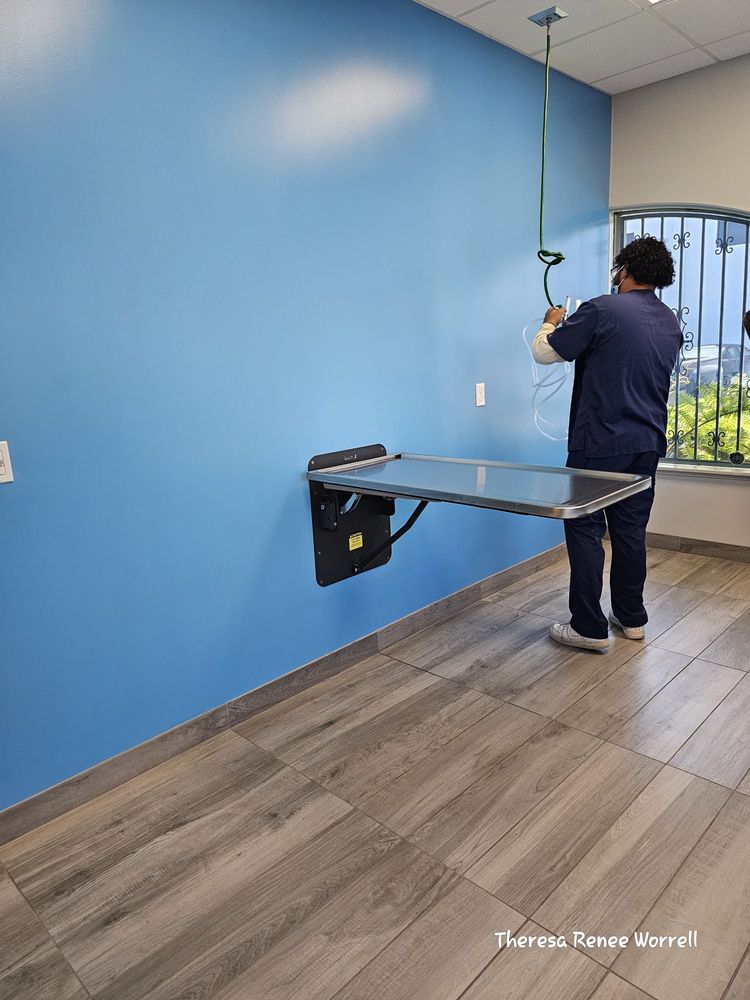
Continuous vital monitoring

Call Us Now

657-999-1150

Visit Our Hospital

1400 N Burton Place
Anaheim, CA 92806

When to Schedule a Specialty Vet Care Appointment?

While severe dog vomiting requires immediate vet care, chronic digestive issues often require a thorough evaluation by our veterinary specialists at CASE Animal Hospital.

Schedule an appointment with us for a comprehensive assessment if you notice any of the following signs:

A gradual decrease in energy alongside chronic digestive symptoms reveals the effects of ongoing inflammation, poor nutrient absorption, or another systemic illness.

Repeated episodes of yellow bile vomiting, especially on an empty stomach or early in the morning, often point to bilious vomiting syndrome (BVS), chronic gastric irritation, or another upper gastrointestinal disorder. We evaluate recurring bile vomiting to identify the underlying cause and recommend appropriate treatment.

Recurrent vomiting over an extended period requires an evaluation from our team, as we do not consider this normal. Chronic vomiting stems from inflammatory bowel disease (IBD), adverse food reactions, metabolic disease, chronic gastritis, or other gastrointestinal conditions.

If your dog loses weight or develops a dry, dull, or brittle coat despite eating normally, this indicates impaired nutrient absorption or another underlying systemic condition.

Throwing up completely undigested food long after a meal means the stomach traps the food instead of moving it into the intestines. This serves as a primary sign of delayed digestion or motility issues that require our specialist’s attention.

Chronic diarrhea, picky eating, appetite changes, or persistent grass-eating originate from gastrointestinal discomfort. We evaluate your dog to identify the exact cause and provide relief.

Recurring changes in vomit color or consistency deserve veterinary attention. White foam, green fluid, brown liquid, clear vomit, or other unusual appearances often indicate an underlying gastrointestinal disorder and sometimes accompany liver, pancreatic, or metabolic disease. Our specialists evaluate these patterns alongside your dog’s history and diagnostic results to identify the underlying cause.

Early evaluation allows us to treat vomiting issues before they escalate. This proactive care prevents serious complications and saves you from costly emergency visits.

How We Treat Dog Vomiting Emergencies

When you take your dog to our emergency clinic in Anaheim, we follow a structured, five-step protocol to assess your dog, stabilize their condition, deliver targeted treatment, and support their full recovery.

Physical Exam: We check vital signs, assess hydration, and palpate the abdomen for pain, swelling, or other abnormalities.

Medical History: We ask about the vomit’s frequency, appearance, timing, and any potential exposure to toxins, medications, spoiled food, or swallowed objects.

Fluid Therapy: We administer IV fluids, and in select cases subcutaneous fluids, to correct dehydration and support electrolyte balance.

Anti-Nausea Medication: When appropriate, we use anti-nausea medications, such as Cerenia, to help control vomiting, reduce nausea, and improve comfort.

If we suspect toxin ingestion, we first assess the specific toxin, timing, symptoms, and patient stability to determine whether decontamination is needed.

When indicated, decontamination may include medically supervised vomiting, activated charcoal when safe and appropriate, or other targeted treatments before anti-nausea medication is given.

Pain Management: If your dog experiences pain or we suspect a condition such as pancreatitis, intestinal obstruction, or bloat, we provide appropriate pain management to improve comfort and support stabilization.

Blood & Urine Tests: We evaluate organ function, hydration status, inflammation, electrolyte imbalances, and metabolic abnormalities. We order additional testing if findings suggest conditions such as pancreatitis.

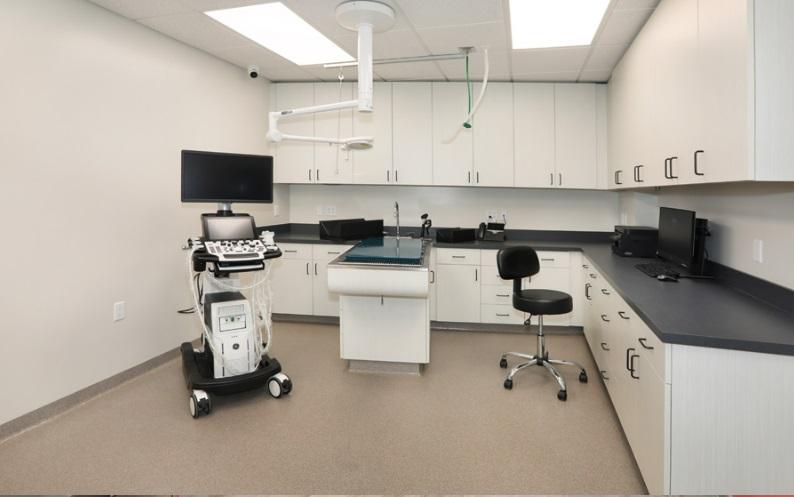
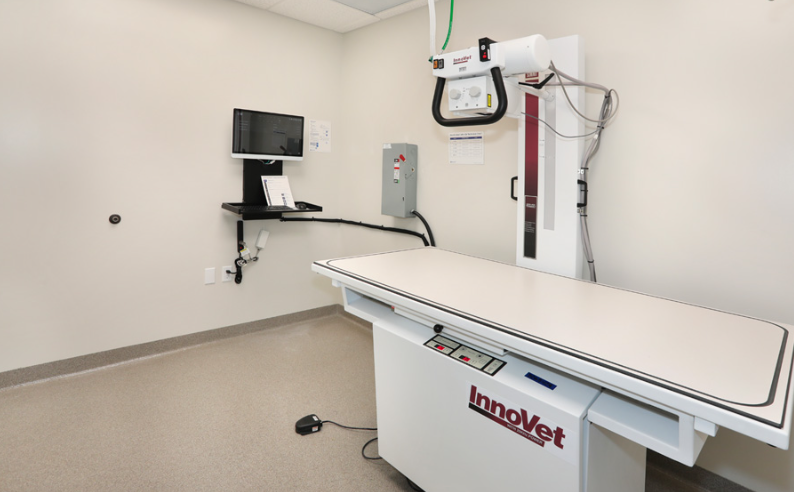
Diagnostic Imaging: We use X-rays or ultrasound to identify swallowed objects, intestinal obstructions, masses, bloat, or other internal abnormalities.

Fecal Exams: We examine stool samples for intestinal parasites and other signs of gastrointestinal disease. We order additional diagnostic testing if we suspect an infectious cause.

Medications: Depending on the diagnosis, we prescribe gastroprotectants to protect the stomach lining and may prescribe antibiotics when a bacterial infection or other specific indication is identified.

Dietary Support: Depending on your dog’s condition, we temporarily withhold food for a short period before we gradually introduce a highly digestible diet.

This includes a veterinarian-recommended therapeutic gastrointestinal diet or a bland diet such as boiled chicken and white rice.

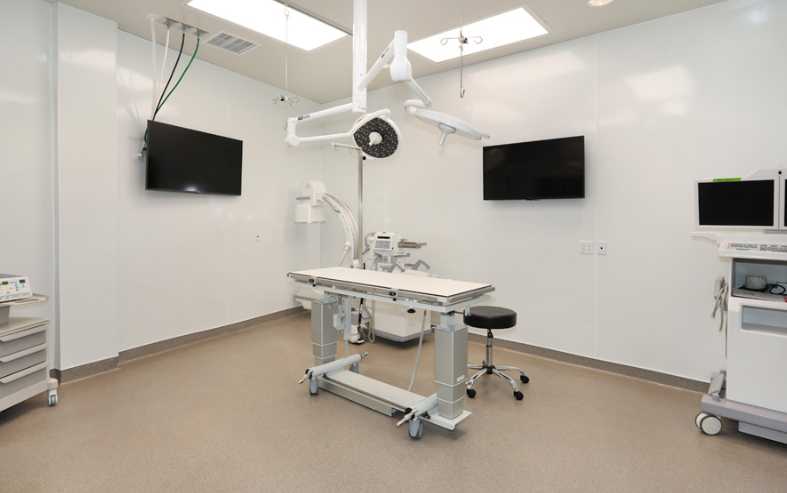
Surgery: We perform emergency surgery for life-threatening conditions such as intestinal obstruction, foreign body ingestion, or gastric dilatation-volvulus (bloat).

We send mild cases home the same day with prescribed medications and detailed care instructions. For severe cases, we provide hospitalization for continuous IV fluids, post-surgical care, intensive monitoring, and ongoing supportive treatment to prevent complications.

Once we stabilize your dog from a complex vomiting condition, we discuss all appropriate treatment options. Our specialists guide you through the details, ensuring you confidently choose the best recovery plan for your pet.

Come for Help at a Veterinary Hospital in Anaheim, CA

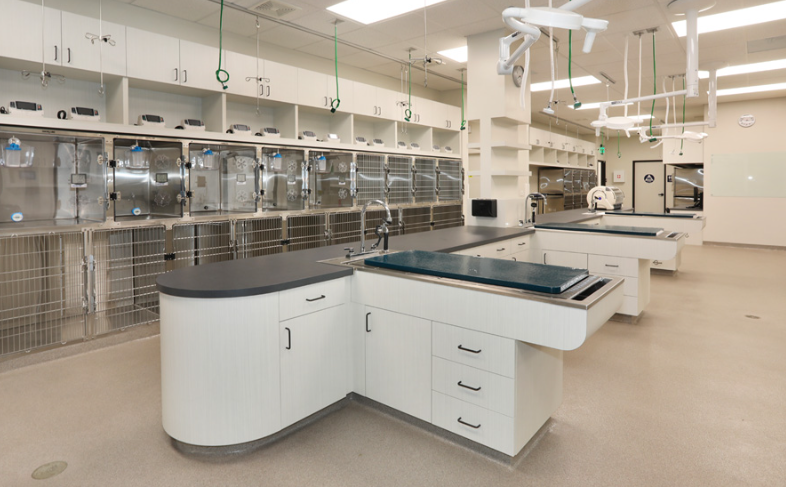
At CASE Animal Hospital in Anaheim, we operate 24/7 and provide both emergency and board-certified specialty veterinarian care under one roof. This comprehensive setup eliminates dangerous transfer delays for severe gastrointestinal crises.

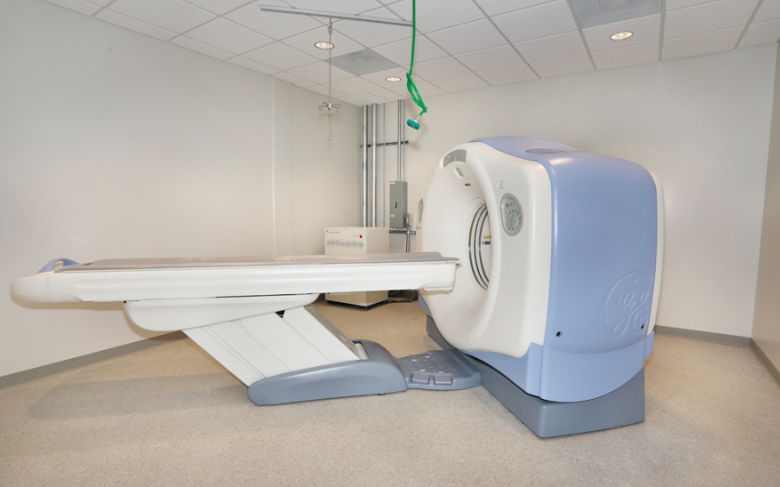
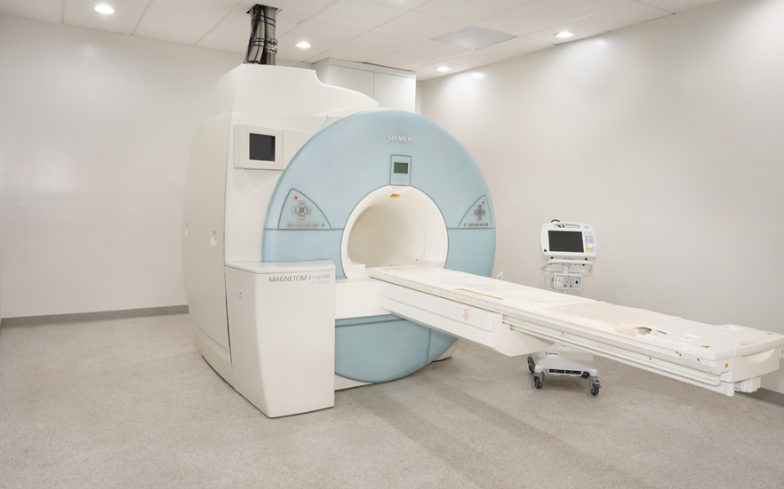
Our veterinary specialists use blood testing, X-rays, and advanced ultrasound to pinpoint the exact cause of persistent vomiting, with advanced CT imaging available for complex abdominal cases.

We provide the seamless, high-speed, and accurate medical intervention your dog needs to recover and return home safely. Call 657-999-1150 and drive straight to our clinic.
Meet Our Emergency Staff

Dr. Sam Rafia, DVM - CASE Animal Hospital in Anaheim

Dr. Sam
Rafia

DVM, DVSC, ECFVG
Dr. Ali Haghnazary, DVM - CASE Animal Hospital in Anaheim

Dr. Ali
Haghnazary

DVM
Dr. Esther Yang, DVM - CASE Animal Hospital in Anaheim

Dr. Esther
Yang

DVM
Dr Cristina Winslow, DVM

Dr. Cristina
Winslow

DVM
Dr Cristina Guijon DVM

Dr. Cristina
Guijon

DVM
Dr Kyla Arreola DVM

Dr. Kyla
Arreola

DVM
Emergency Care

Frequently Asked Questions

If you have any additional questions, or wish to speak with someone, please contact our office today.

Vomiting that persists for more than 24 hours demands an immediate veterinary visit. We classify multiple episodes within a single day as a critical warning sign for pet owners. This continuous fluid loss weakens your dog rapidly and disrupts internal balances.

Yes, pancreatic inflammation directly triggers severe vomiting in dogs. This painful condition occurs when digestive enzymes activate prematurely and injure the pancreas itself. Your dog experiences intense abdominal discomfort, shows extreme restlessness, and refuses food entirely.

If your dog does not keep water down and vomits immediately after drinking, your pet faces a high risk of rapid dehydration or a foreign body obstruction. We urge you to visit our Anaheim emergency vet clinic right away for diagnostic testing and life-saving treatment.

If you notice other symptoms like diarrhea or lethargy alongside vomiting, this situation indicates a serious underlying issue, such as infection or severe dehydration. We advise against waiting for symptoms to pass. We urge you to bring your pet to our 24/7 Anaheim emergency vet clinic immediately for rapid triage and stabilization.

You restrict care to home monitoring only when your dog remains bright, alert, well-hydrated, and experiences a single vomiting episode without other concerning signs. We recommend home observation under two specific conditions:

An Isolated Vomiting Episode: A single episode often results from minor stomach irritation. You provide fresh water and observe your dog closely. If vomiting recurs or other symptoms develop, you contact us promptly.

Vomiting from Eating Too Fast: Dogs may regurgitate or vomit shortly after eating too quickly, often bringing up undigested food. You prevent future episodes by offering smaller portions or utilizing a slow-feeder bowl.

Dogs and Cats Helped

89,626

Immediate Emergency And Specialty Veterinary Care

Walk in 24/7 or Call 657-999-1150 Now

CASE Animal Hospital

1400 N Burton Pl
Anaheim, CA 92806
657-999-1150

Office Hours

Monday through Sunday
Open 24 Hours a Day